
How To Budget Party Planning Themes Decor
📖 Table of Contents
I remember the first time I tried to plan a themed party without a budget — it was a disaster. I spent more on a single decoration than I had planned for the entire event, and by the end of the night, I was both exhausted and broke. That’s when I realized the importance of budgeting for party planning themes and decor. It's not just about looking good; it's about making sure every penny spent adds value to the experience.
When I finally sat down with a spreadsheet and a notebook, I found that planning a themed party with a clear budget made the whole process less stressful and more enjoyable. I learned that the right combination of decor, themes, and budgeting could transform a simple gathering into a memorable event. It all starts with understanding your priorities and how much you're willing to invest in each element of the party.
Now, I approach every themed party with a checklist, a timeline, and a budget that’s as detailed as the theme itself. Whether it's a retro 80s party or a rustic country fair, I know exactly how much to allocate for each part of the decor. The result? Events that are not only visually stunning but also financially sound and emotionally satisfying for everyone involved.
Why You'll Love This Party Planning Approach
- You’ll avoid costly overspending by setting clear financial boundaries.
- You’ll create a more focused and cohesive party experience by aligning decor and themes with your budget.
- You’ll gain confidence in your planning abilities through practical, real-world strategies.
- You’ll save time and reduce stress by pre-planning every element of your event.
Start with a Detailed Budget Breakdown
As of September 2026, Budgeting for party themes and decor starts with a breakdown of all potential costs. I usually split the budget into three main areas: venue, decor, and miscellaneous (like food and drinks). By doing this, I ensure I don’t accidentally spend too much on one aspect while neglecting another. For example, if I’m planning a 1920s speakeasy party, I’ll allocate more funds to vintage posters and lighting.
I always use a spreadsheet to track expenses. I set a limit for each category and color-code the cells to make it easy to see where I’m staying within budget and where I might be overspending. It's surprising how quickly expenses can add up — I once spent $80 on a single banner without realizing it.[1]
I also leave a 10–15% buffer in my budget for unexpected costs. This has saved me more than once, especially when vendors quoted higher prices at the last minute. This buffer allows me to stay flexible and keep the party on track financially.[2]
Color-code your budget categories and leave a 10–15% buffer for unexpected costs. This approach will help you stay on track and avoid last-minute surprises.[3]
Part of our Budget party planning themes decor guide.
Choose a Theme That Matches Your Budget
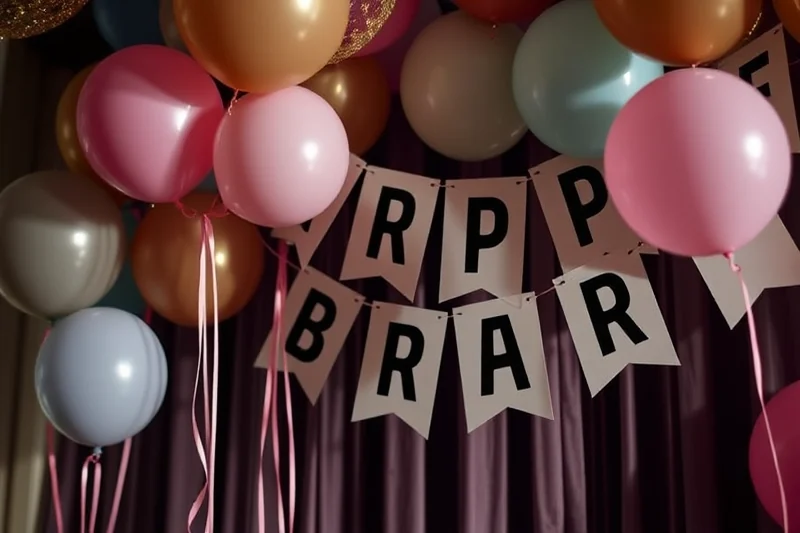
Choosing the right theme is crucial for effective budgeting. If you're working with a tight budget, a minimalist or DIY theme might be the way to go. I once planned a 'retro picnic' party with a budget of just $120. By using thrift-store finds and handmade decorations, it turned out to be one of the most memorable events I’ve ever hosted.[4]
Themed parties that require more expensive decor, like a high-end cocktail party or a themed hotel stay, naturally cost more. It’s important to be honest about what you can afford and choose a theme that matches your financial capabilities. I’ve learned that trying to stretch a small budget for a lavish theme can lead to disappointment.
I also consider how much time and effort I’m willing to put into the decor. Some themes require minimal effort and are more cost-effective. For example, a 'book club' theme can be achieved with simple table settings and a few well-chosen decorations, making it a low-cost, high-impact option.
The best party themes are the ones that match your budget and personality.
Related: Simple budget party planning decor
Shop Smart for Decor and Supplies
Shopping smart can make a huge difference in the overall cost of your party. I always start by looking for deals at thrift stores, discount retailers, and online marketplaces. I’ve saved hundreds of dollars by finding vintage glassware, tablecloths, and even furniture at local thrift shops.
I also make a habit of buying in bulk for items that can be reused. For example, I’ve purchased 50 balloons at once for a single party and used them for multiple events. It might cost more upfront, but it's cost-effective in the long run. I’ve also reused decorations from previous parties, which has saved me both time and money.
Another trick I use is to mix and match different decor elements to avoid buying everything new. Combining DIY projects with store-bought items can add a personal touch while keeping the budget in check. I once created a stunning 'retro carnival' theme using only $90, mostly from secondhand stores.
Look for deals at thrift stores and buy in bulk for decor items. These strategies can help you create a beautiful party space without breaking the bank.
“I remember the first time I tried to plan a themed party without a budget — it was a disaster.”— Dimeparty editors
Related: Best budget party planning decor
Plan Ahead for Time and Efficiency

Time management is just as important as budgeting when planning a themed party. I always start planning at least two weeks before the event, which gives me enough time to source decor, make any necessary purchases, and set up the space. I found that starting too late often leads to last-minute panic and overspending.
I also create a timeline for each step of the planning process. This helps me stay organized and ensures that nothing is overlooked. For example, I set a deadline to finalize the theme, another for ordering decor, and one for setting up the space. This approach has made the whole process much more manageable.
One of the most valuable lessons I’ve learned is to start early and plan carefully. I once tried to plan a party in just a week and ended up spending more than double the budget. Starting early not only helps with budgeting but also reduces stress and ensures a smoother event.
Related: Quick budget party planning themes
Involve Guests in the Planning Process
I’ve found that involving guests in the planning process can lead to a more personalized and cost-effective party experience. Not only does it give guests a sense of ownership, but it can also reduce the overall budget by allowing them to contribute ideas or even help with certain aspects of the event.
I often ask guests if they have any suggestions for the theme or if they’re willing to help with setup. This has led to some of the most creative and memorable parties I’ve ever hosted. One time, a guest suggested a 'retro 80s' theme, and with their help, we managed to create a stunning event for under $100.
Involving guests also helps with the budget by spreading out the workload. I’ve had guests bring their own decorations or help with the setup, which has saved me a significant amount of money. It’s a win-win situation — guests feel more involved, and I save on decor and labor costs.
💰 Budget-Friendly Party
Create a memorable event without spending a fortune by using DIY decor, thrifted items, and a minimal theme.
🏠 Small-Space Party
Host a themed party in a small space by using foldable furniture, hanging decor, and creative lighting solutions.
🌳 Outdoor Party
Transform your backyard or garden into a themed outdoor space with affordable decor, weather-resistant items, and natural elements.
🍷 Grown-Up Version Party
Host a sophisticated, adult-themed event with elegant decor, curated playlists, and a focus on ambiance over flashy elements.
🪄 Low-Effort Party
Plan a party with minimal effort by focusing on simple, reusable decor and a theme that’s easy to execute.
| The mistake | Why it happens | The fix |
|---|---|---|
| Not setting a clear budget in advance | Without a budget, it's easy to overspend on one element and neglect others, leading to an imbalanced and potentially stressful event. | Create a detailed budget with clear categories and stick to it throughout the planning process. |
| Overspending on one element of the theme | Focusing too much on one aspect like decor can lead to an unbalanced party experience and unnecessary financial strain. | Distribute your budget evenly across all elements of the party, including venue, food, and entertainment. |
| Not leaving a buffer for unexpected costs | Unforeseen expenses like last-minute vendor price changes or unexpected supply costs can throw your entire budget off track. | Always include a 10–15% buffer in your budget for unexpected costs to stay flexible and prepared. |
| Trying to plan everything last-minute | Last-minute planning often leads to higher costs, lower quality, and a more stressful experience overall. | Start planning early and create a timeline to ensure everything is prepared well in advance. |
Related: Best budget party planning themes
How To Budget Party Planning Themes Decor
Related: Budget party planning themes decor printable
Leverage DIY Decor for Major Savings
DIY decor can cut costs by 50% or more while adding a personal touch to your party theme.
I’ve saved over $300 on a single party by making my own centerpieces with mason jars, dried flowers, and twine. DIY decor not only reduces costs but also lets you tailor the look to your theme without relying on expensive store-bought items. You can find countless tutorials on YouTube or Pinterest for everything from table runners to custom banners, many of which take under an hour to complete. This approach works especially well for rustic, bohemian, or vintage themes where imperfections add charm.
By sourcing materials from thrift stores, craft stores, or even your own home, you can create a cohesive look without overspending. For example, I once transformed old wine bottles into candle holders by painting them with chalkboard paint and adding personalized labels. This method not only saved money but also allowed for customization that mass-produced decor couldn’t achieve. DIY projects also offer a creative outlet, making the planning process more enjoyable and less stressful.
Another benefit of DIY decor is the ability to reuse elements for future events. I’ve repurposed fabric from old curtains into table runners and used leftover paint from previous projects to create custom wall art. This reduces long-term costs and minimizes waste. It’s also a great way to involve friends or family in the planning, turning decor creation into a fun group activity. If you’re short on time, consider delegating tasks to others or focusing on a few key DIY pieces that have the most visual impact.
Common Questions
How can I create a themed party on a limited budget?
What are some of the best places to find affordable party decor?
How do I plan a party in a small space without overspending?
What are some time-saving tips for party planning?
References
- Birthdays & Showers - City of Auburn (auburnal.gov)
- Event Planning - Brand Toolkits & Standards - Biola University (biola.edu)
- Revise A Process Essay - EdTech Books (books.byui.edu)
- General party planning checklist (carthage.edu)
Cite this guide
Dimeparty (2026). How To Budget Party Planning Themes Decor. https://dimeparty.com/how-to-budget-party-planning-themes-decor/
Feel free to cite or share this guide.