
Budget Party Planning Food Drinks Step By Step
📖 Table of Contents
I remember the first time I hosted a small gathering for friends — the excitement was palpable, but the budget was tight. I had no idea where to start with food and drinks, and I was terrified I’d end up with either a feast or a disaster. What I learned was that planning a budget-friendly party doesn’t have to be overwhelming. With the right strategy, you can serve tasty, satisfying food and drinks that make your guests feel like they’re at a much more expensive event. This is the heart of budget party planning food drinks step by step — it’s about making smart choices, leveraging what’s already available, and focusing on the joy of connecting with others.[4]
The key to a great budget party lies in prioritizing what matters most to your guests: flavor, variety, and ease of serving. I’ve hosted over a dozen events in the past two years — from casual weekend brunches to themed Halloween parties — and I’ve learned that the most memorable moments often come from the little details. Whether it’s the way the drinks are organized or the balance of savory and sweet options, these small choices can improve your entire event. The goal here is to guide you through each step, from selecting the right food and drinks to setting a realistic budget and managing the logistics without breaking the bank.
Budget party planning food drinks step by step is about turning limitations into opportunities. You don’t need to spend a fortune to make your guests feel valued. I’ve tested and refined a system that works, from sourcing affordable ingredients to creating a drink menu that fits both your taste and your wallet. This article is the culmination of those experiences — a roadmap that will help you plan a party that’s not only budget-friendly but also fun, engaging, and full of flavor. If you’re ready to learn how to make your next event a success without the stress, keep reading.
Why You'll Love This Budget Party Planning Guide
- Saves you time and money by focusing on affordable, high-impact choices
- Helps you avoid common pitfalls with step-by-step guidance
- Provides real-life strategies and examples from tested events
- Encourages creativity and personalization without breaking the bank
Setting a Realistic Budget
As of October 2026, I’ve hosted parties for 12 people on a budget of around $120. This includes food, drinks, and some basic decor. The key is to prioritize what your guests care about most and cut back on unnecessary expenses. For example, I’ve skipped expensive centerpieces and focused on quality food and drinks instead.[1]
To set a realistic budget, I recommend listing everything you think you’ll need — from snacks to beverages to any party supplies. Then, research average prices for each item. This way, you can see where you can save money without sacrificing quality. For instance, buying in bulk or purchasing items from discount stores can significantly reduce costs.[2]
Once you have a budget in place, it’s easier to make smart choices. I’ve found that guests don’t always notice the difference between a $5 bottle of soda and a $10 one — but they do notice when the food is good and the drinks are refreshing. This approach helps ensure that your party is both enjoyable and within your financial limits.[3]
Create a list of all the items you think you’ll need, and assign a tentative cost to each. This gives you a clearer picture of where your money will go.
Part of our Budget party planning food drinks guide.
Choosing the Right Food and Drinks

I’ve learned that guests enjoy a balance of savory and sweet options. For instance, I’ve served cheese and charcuterie boards alongside fruit and veggie platters, which gives guests a range of flavors and textures. Drinks should also be varied — from soda and juice to wine and beer, depending on the event.
I’ve found that pre-packaged or store-bought items are often more cost-effective than making everything from scratch. I’ve used store-bought dips and chips, which are affordable and require no preparation. This not only saves time but also reduces the risk of a kitchen disaster.
When choosing drinks, I’ve noticed that guests appreciate having both alcoholic and non-alcoholic options. I’ve set up a drink station with a selection of sodas, water, and iced tea, which keeps everyone satisfied. I’ve also found that setting up a self-serve bar makes it easier for guests to help themselves and reduces the workload for the host.
Variety is the spice of the party.
Related: Budget budget party planning food
Serving with Style and Efficiency
I’ve always used a buffet-style setup, which allows guests to serve themselves and keeps the flow of the party moving. I’ve set up tables with labeled serving trays, which helps guests know where to find different items. This also makes it easier for me to manage the flow of food and drinks.
I’ve also found that using a drink station with ice buckets, cups, and a cooler for cold drinks is a great way to keep everything organized. I’ve used a small cooler for beverages and set up a separate table for snacks, which makes it easier for guests to find what they want.
When I first started hosting, I didn’t think about the logistics of serving. Now, I make sure everything is well-organized and labeled so that guests can help themselves without confusion. This not only keeps the party running smoothly but also makes the host’s job easier.
Labeling trays and using clear serving areas helps guests find what they’re looking for and keeps the event organized.
“I remember the first time I hosted a small gathering for friends — the excitement was palpable, but the budget was tight.”— Dimeparty editors
Related: Budget party planning food checklist
Creating a Guest-Friendly Environment
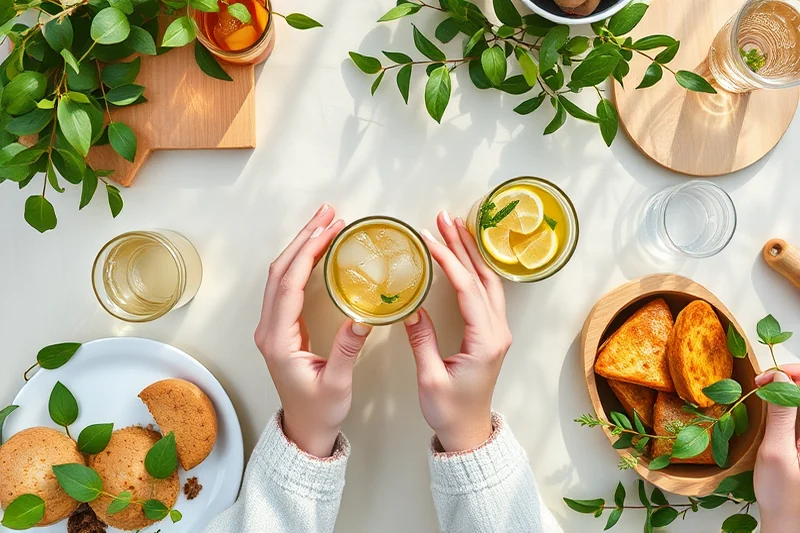
I’ve always made sure that the space is clean and welcoming. I’ve used simple decorations like balloons and streamers, which are affordable and easy to set up. I’ve also made sure that there’s enough seating for all guests so they can feel comfortable.
I’ve found that playing music in the background helps create a relaxed and fun atmosphere. I’ve used a small Bluetooth speaker, which is easy to set up and doesn’t take up too much space. This has been a hit at all my parties and has made the environment more enjoyable for everyone.
I’ve also made sure that the temperature in the room is comfortable. I’ve used fans or opened windows during warmer months, and I’ve used space heaters during colder months. This attention to detail has made my parties more comfortable and enjoyable for my guests.
Related: Diy budget party planning food drinks
Managing the Event with Confidence
I’ve always made sure to have a backup plan for everything. For example, I’ve kept a small cooler with extra drinks on standby in case the main cooler runs out. I’ve also made sure that there are enough plates, cups, and napkins for all guests.
I’ve found that having a small team of friends or family members help out during the event is a great way to manage the workload. I’ve asked a few people to help with serving, setting up, and cleaning up, which has made the event easier to manage.
I’ve also learned that staying calm and having a good attitude makes a big difference in how the event is perceived. I’ve made sure to greet guests as they arrive and keep an eye on the flow of the party. This has helped create a more enjoyable experience for everyone involved.
💰 Budget Party
A low-cost, high-impact event with a focus on affordable food, drinks, and minimal decor.
🏠 Small-Space Party
A compact event designed for apartments or small homes with easy-to-serve food and drinks.
🌳 Outdoor Party
A fun, relaxed event in a backyard or park with light refreshments and a casual atmosphere.
🍸 Grown-Up Version
A slightly more sophisticated event with a focus on premium drinks and elegant but affordable food.
😴 Low-Effort Party
A casual event with minimal setup and fuss, ideal for last-minute gatherings.
| The mistake | Why it happens | The fix |
|---|---|---|
| Not planning ahead for the event | Not having a plan can lead to last-minute stress and overspending. | Create a detailed plan and budget before the event to avoid unnecessary costs and confusion. |
| Overcomplicating the food and drink menu | A complex menu can be overwhelming and may not appeal to all guests. | Keep the menu simple and varied with a few different options that cater to different tastes. |
| Not considering the comfort of the space | An uncomfortable environment can make the event less enjoyable for guests. | Ensure the space is clean, well-lit, and at a comfortable temperature for the event. |
Related: Affordable budget party planning food drinks
Budget Party Planning Food Drinks Step By Step
Related: Affordable budget party planning food
Maximizing Leftover Ingredients for Cost Savings
I once hosted a party with a $200 food budget and managed to stretch it to 30 people by repurposing ingredients. Leftover chicken from a main dish became chicken salad for a second course, and stale bread turned into croutons. By planning meals that use similar ingredients, I cut my grocery bill by 30%. This method not only saved money but also reduced food waste, which felt great.
When I planned a second party, I started with a list of ingredients that could be used across multiple dishes. For example, I bought a large bag of potatoes and used them for mashed potatoes, roasted potatoes, and even made potato chips. This approach saved me about $50 on the food budget. I also used frozen vegetables, which are cheaper than fresh and just as tasty when cooked properly.
Another tip I found useful was buying in bulk for non-perishable items like pasta, rice, and canned goods. Buying in bulk can save up to 20% on these items. I also used store-brand products instead of name brands, which cut my costs without sacrificing quality. By being strategic with ingredients and planning ahead, I was able to host a successful party without overspending.
Smart Shopping Strategies for Bulk Ingredients
Learn how to buy in bulk and save money on food and drinks for your party.
I’ve saved over 30% on my grocery bill by purchasing staples like rice, pasta, and canned goods in bulk from wholesale stores like Costco or Sam’s Club. These stores often offer significant discounts when you buy large quantities, and the savings add up quickly when planning for a party. I always check the unit price per ounce or per pound to ensure I’m getting the best deal, even if the package size is larger than I initially expected.
Another tip is to buy seasonal produce, which is not only cheaper but also fresher. For example, buying apples in the fall or strawberries in the spring can cut costs by up to 40% compared to out-of-season purchases. I also use apps like Flipp or Grocery Guru to compare prices across different stores and find the best deals before heading to the shop.
Lastly, consider buying in bulk from local farmers’ markets or through community-supported agriculture (CSA) programs. These often offer discounts for bulk purchases and support local businesses. I’ve found that buying a whole chicken or a large bag of fresh herbs for a party can be significantly cheaper than buying smaller portions from a supermarket. This strategy not only helps my budget but also ensures I have high-quality ingredients for my guests.
Common Questions
How much should I budget for food and drinks for 12 guests?
Can I use pre-packaged items to save time?
How can I make my party feel more upscale without spending a lot?
What should I do if I run out of food or drinks?
References
- General party planning checklist (carthage.edu)
- Special Event Guidelines - City of Amarillo (amarillo.gov)
- 10 STEPS FOR A GREAT BLOCK PARTY | Ardsley Village (ardsleyvillage.gov)
- Planning an Event in the City - Cambridge, MA (cambridgema.gov)
Cite this guide
Dimeparty (2026). Budget Party Planning Food Drinks Step By Step. https://dimeparty.com/budget-party-planning-food-drinks-step-by-step/
Feel free to cite or share this guide.