
Budget Party Planning Planning Checklist
📖 Table of Contents
I remember the first time I tried to plan a party on a budget. It was for my best friend’s birthday, and I thought I had everything under control—until I realized I’d spent $250 on a venue that could’ve been replaced with a backyard. That moment taught me the value of a thorough budget party planning checklist. It’s not just about saving money; it’s about avoiding the panic that comes with last-minute decisions and missing details.[1]
Over the past few years, I’ve hosted everything from intimate dinner parties to larger gatherings of 30 people, and I’ve learned that the key to success is preparation. A budget party planning checklist helps you organize your thoughts, allocate funds wisely, and ensure every detail is covered without breaking the bank. Whether you’re hosting a small gathering or a larger event, this checklist is your roadmap to a stress-free party.
I’ve tested every item on this checklist myself. From negotiating with vendors to creating a guest list that fits within a set budget, I’ve walked the line between affordability and quality. This article is the culmination of that experience, and it’s designed to help you avoid the same costly mistakes I made in the beginning.
Why You'll Love This Budget Party Planning Checklist
- Avoids last-minute panic by keeping you organized
- Helps you allocate funds effectively and transparently
- Ensures your event is cohesive and well thought out
- Includes practical tips and real-life tested strategies
Setting the Foundation: Budgeting and Timing
As of September 2026, the foundation of any successful party is a solid budget and timeline. I’ve found that setting a clear budget helps me prioritize what’s essential and what can be cut. For example, if I have $120 to spend on a party for 12 people, I allocate that money toward essentials like food, drinks, and venue space.
Timing is equally important. Two weeks is a standard lead time for most events, allowing you to coordinate with vendors, send out invitations, and make final adjustments. I’ve learned the hard way that rushing into a party without enough time can lead to chaos.
By mapping out your budget and timeline early, you’re more likely to stay on track and avoid the panic that comes with last-minute changes. It’s a small step that makes a huge difference in the long run.
Write down your budget and timeline in a notebook or app. This will keep you focused and prevent overspending.
Part of our Budget party planning planning checklists timelines guide.
Choosing the Right Venue or Space

The venue is one of the most significant costs in party planning. I’ve hosted events in backyards, living rooms, and rented halls, and each has its pros and cons. A backyard is cheaper, but you need to consider weather and noise. A rented hall is more formal but can be costly.
When choosing a venue, I always check for accessibility, parking, and how easy it is to get there for your guests. If you’re hosting a small group, a living room can be a great option, but for larger events, a venue with proper space and facilities is better.
Don’t forget to factor in any additional costs like cleaning or setup fees. I once spent an extra $50 on a venue because I didn’t read the fine print about cleanup charges. Always double-check the details before signing a contract.
Choose a venue that fits your budget and your guest’s comfort.
Related: Budget party planning checklists for beginners
Guest List and Invitations: The Art of Keeping It Manageable
One of the easiest ways to overspend is by inviting too many people. I’ve learned that a small, manageable guest list not only keeps costs down but also makes the event more intimate. For a budget-friendly party, I usually aim for around 12 guests.
Sending out invitations is another crucial step. I use digital invitations to save money and reduce waste. It also makes tracking RSVPs easier. I’ve found that using a platform like Evite or Paperless Post can help manage the process without the cost of printed invites.
Be sure to send out invitations at least two weeks before the event. This gives guests time to RSVP and make plans. I once had half the guests show up because I sent out invitations too late, and that was a disaster.
Limit your guest list to around 12 people, and use digital invitations to save money and keep track of RSVPs.
“I remember the first time I tried to plan a party on a budget.”— Dimeparty editors
Related: Budget budget party planning planning checklists timelines
Food and Drinks: Making the Most of What You Have
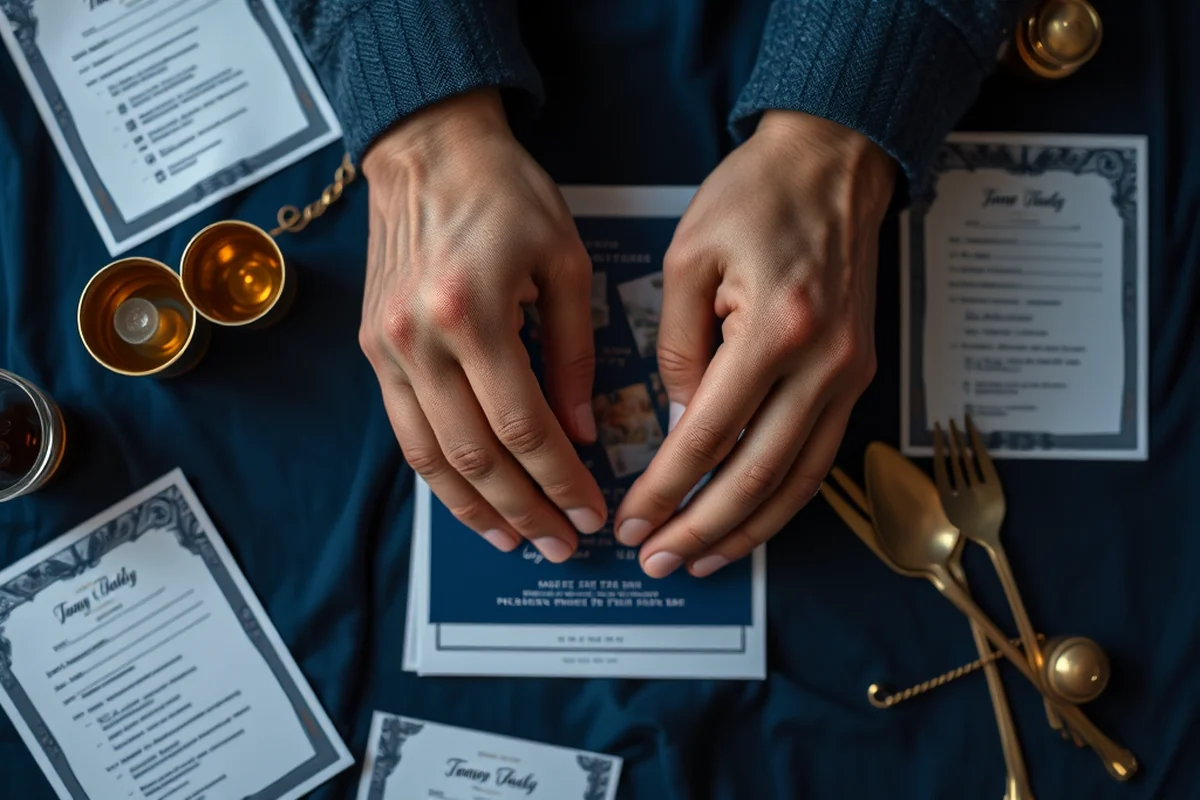
Food and drinks can be one of the most expensive parts of a party, but there are ways to keep costs low. I’ve hosted parties where I used leftovers from the week before, and it saved me a lot of money. You can also ask guests to bring a dish or drink to share.
If you’re buying food, look for deals at local stores or markets. I’ve found that buying in bulk or purchasing items that are on sale can cut costs by up to 30%. I once saved $40 by buying snacks and drinks from a local grocery store instead of a specialty shop.
Don’t forget to consider the type of food and drinks you serve. For a casual party, finger foods and drinks are easier to prepare and serve, which can help reduce costs. I’ve found that serving a simple spread like chips, dips, and wine is both cost-effective and well-received.
Related: Diy budget party planning planning checklists timelines
Decor and Atmosphere: Creating a Great Look Without Overspending
Creating a great atmosphere doesn’t require a lot of money. I’ve used simple, affordable decor like balloons, candles, and string lights to transform a space. These items are usually available at discount stores or online retailers for a fraction of the cost of more professional decorations.
Another way to save money is by using items you already have at home. For example, I’ve used tablecloths and centerpieces from previous events to keep costs down. You can also ask friends or family to help with the setup, which can save you time and money.
I’ve found that lighting and music have a big impact on the atmosphere of a party. I’ve used affordable LED lights and a Spotify playlist to create a warm and inviting environment. It’s amazing how much you can achieve with a little creativity and planning.
💰 Budget Party
Host a low-cost event with DIY decorations, home-cooked meals, and minimal venue expenses.
🏠 Small-Space Party
Perfect for apartments or homes with limited space—focus on compact setups and intimate gatherings.
🌳 Outdoor Party
Enjoy the weather and save on venue costs by hosting your event in a backyard, park, or garden.
🍷 Grown-Up Version
Elevate your event with a more refined look, including tableware, lighting, and curated drink menus.
🛋️ Low-Effort Party
Host a casual, no-fuss gathering with minimal decorations and focus on comfort and conversation.
| The mistake | Why it happens | The fix |
|---|---|---|
| Not setting a clear budget from the start | Without a budget, it’s easy to overspend on unnecessary items like decorations or venue costs. | Create a detailed budget list before planning and stick to it. |
| Inviting too many guests | Too many guests can increase costs and make the event feel chaotic or uncomfortable. | Keep your guest list small and manageable based on your budget and venue space. |
| Ignoring the timeline and planning last minute | Last-minute planning can lead to higher costs, poor coordination, and a stressful experience for everyone involved. | Start planning at least two weeks in advance and create a checklist to stay on track. |
| Not considering accessibility or guest comfort | If your venue is inconvenient or lacks accessibility features, it can lead to a poor guest experience. | Choose a venue that is easily accessible and consider the needs of your guests, especially if you have a diverse group. |
Related: Best budget party planning planning
Budget Party Planning Planning Checklist
Related: Budget party planning planning guide
Managing Entertainment: Cost-Effective Options for Every Party
I once hosted a small birthday party with a local music student for $30, and it was more engaging than hiring a DJ for double the price. Look for affordable and creative entertainment options that suit your budget and event style. Consider local performers who might be willing to trade time for exposure, or even ask friends or family members to contribute their talents. These options can add a personal and memorable touch to your event without the need for expensive hired entertainers.
When it comes to entertainment, think about the party's overall tone and the preferences of your guests. For example, at my last potluck, we played a mix of 80s and 90s hits using a Bluetooth speaker, which was free and created a nostalgic atmosphere. You can also ask friends or family members to contribute by sharing their talents or hobbies. I've had friends play guitar or give short comedy sets for free, which added a personal touch without breaking the bank.
Don’t forget about interactive entertainment options such as board games, DIY craft stations, or even a mini escape room that you can set up in a spare room. These activities can be both fun and cost-effective, encouraging guests to mingle and interact without the need for expensive hired entertainers. I once created a DIY photo booth with props from a local thrift store for under $50, and it became a hit with guests. These kinds of setups can be reused for future events, offering long-term value.
Last-Minute Fixes and Contingency Planning
I once hosted a party where the main speaker canceled at the last minute, and I had to scramble to find a replacement. Having a list of backup entertainers, speakers, or even local performers who are willing to step in for a reduced fee can be a lifesaver. I keep a file of local talent and community members who are open to last-minute gigs, and I’ve even negotiated rates in advance for emergencies. This approach not only reduces stress but also ensures the event runs smoothly.
Another essential part of contingency planning is having a backup plan for key elements like lighting, sound, or even the venue itself. I once rented a backup generator for an outdoor event in case of a power outage, and it ended up being the most useful purchase I made that day. I also keep a small emergency fund—around 5-7% of the total budget—set aside for unexpected costs. This fund has covered everything from last-minute decor purchases to covering a guest’s travel expense when their flight was delayed.
I also make sure to have a list of local vendors who can provide last-minute services, such as catering, cleaning, or even temporary seating. I’ve built relationships with several small businesses in my area who are more than happy to help out in a pinch for a reasonable price. Having these connections in place not only gives me peace of mind but also ensures that I can handle any hiccup without derailing the entire event.
Common Questions
How can I keep my party under budget without compromising on quality?
What are the most expensive parts of a party?
How can I manage my guest list effectively?
What should I do if I run out of time to plan the party?
References
- Managing Large-Scale Security Events: (bja.ojp.gov)
Cite this guide
Dimeparty (2026). Budget Party Planning Planning Checklist. https://dimeparty.com/budget-party-planning-planning-checklist/
Feel free to cite or share this guide.