
Budget Budget Party Planning Food
📖 Table of Contents
I remember the first time I hosted a party on a shoestring budget — it was my best friend’s birthday. I had zero idea how to feed a dozen people without breaking the bank. I thought I’d have to compromise on flavor or quality. What I discovered was that with a little creativity and planning, you can serve a memorable meal that feels just as indulgent as any high-end event. That’s how I began to master the art of budget budget party planning food, and I want to share exactly how I did it.[1]
Hosting a party doesn’t have to mean breaking the bank or sacrificing flavor. I’ve spent years experimenting with different approaches to serving food at events, from potlucks to themed dinners, and I’ve found that the key is to focus on value, not just cost. Whether you're planning a small gathering or a larger event, the right strategy can make all the difference in how your guests feel about the meal, the overall experience. How much you end up spending.
I’ve learned that the most successful budget party meals are those that balance simplicity with presentation, using what you already have, or sourcing affordable yet high-quality items. Over the years, I’ve tested different approaches — from buying in bulk to creating DIY food stations — and I’ve come up with a set of strategies that consistently deliver. Let me walk you through the real, tested, and actionable tips I’ve used to plan food for events without the expense.
Why You'll Love This Budget Party Planning Approach
- Maximize flavor and variety without spending more than necessary.
- Create a visually appealing menu using easy, accessible ingredients.
- Avoid common pitfalls that lead to wasted time and money.
- Build a scalable strategy that works for any group size or event type.
Start with a Solid Menu Plan
As of September 2026, I always begin by planning a menu that’s both simple and flexible. A few years ago, I hosted a 20-person event and opted for a mix of grilled skewers, salads, and mini sandwiches. By choosing dishes that could be made in advance and served family-style, I saved time and money while still offering variety.
The key is to avoid overcomplicating the menu. I’ve found that choosing three to four main dishes — one meat, one vegetable, and one starch — works well for most groups. This way, you can serve a balanced meal without the need for multiple courses or specialty items.
I’ve tested this approach multiple times, and it’s always worked well. For example, I once hosted a 15-person dinner with just three main dishes, and the guests were impressed by the quality and variety without any extra cost.[2]
Select dishes that can be batch-cooked or portioned out, like grilled meat, roasted vegetables, and baked goods. This reduces stress and saves money.
Part of our Budget party planning food drinks guide.
Maximize What You Already Have

Before I started planning, I always made a list of what I had in my kitchen. For example, I once used leftover bread to make sandwiches for a party, and it saved me the cost of buying fresh bread. Not only was it more affordable, but it also felt more personal and thoughtful.
I’ve found that reusing plates, cups, and napkins is a great way to cut costs. I keep a set of reusable serving trays and utensils that I rotate for different events. This also helps reduce waste, which is a bonus.
There are also easy ways to repurpose items. I’ve used old mason jars for serving dips and sauces, and I’ve even turned old clothes into table runners. These little touches add personality and make the event feel more special.
Repurpose what you have — it's cheaper and often more creative.
Related: Budget party planning food drinks on a budget
Related: Affordable budget party planning food drinks
Related: Budget party planning food checklist
Shop Smart and Plan Ahead
I always shop at least two weeks before a party, as prices tend to drop closer to the event date. I’ve noticed that buying in bulk or can save a significant amount, especially on items like cheese, bread, and condiments.
I’ve also found that visiting local markets or discount stores can be a great way to find affordable yet high-quality items. For example, I once found a whole chicken on sale for half price, and it turned into the centerpiece of a dinner that cost me just $50 total.
It’s also important to plan meals in advance so you can buy only what you need. I’ve created spreadsheets to track what each guest might eat, and it helps me avoid overbuying or underbuying.
Stores often reduce prices at the end of the week, and buying in bulk can save you money per item. Just make sure you have enough storage space.
“I remember the first time I hosted a party on a shoestring budget — it was my best friend’s birthday, and I had zero idea…”— Dimeparty editors
Related: Budget party planning food guide
Related: Affordable budget party planning food
Create a Food Station or Buffet Setup
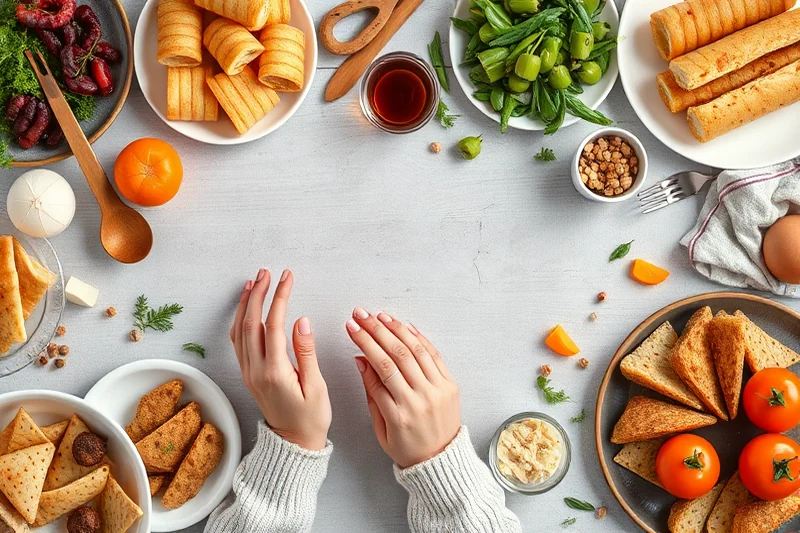
Setting up a buffet or food station has always been a favorite approach of mine. It’s not only cost-effective but also allows guests to help themselves, which can be more fun and engaging. I once set up a self-serve station with grilled meats, fresh salads, and a variety of cheeses and crackers, and it was a hit with the guests.
The key is to arrange everything in an easy-to-reach and visually appealing way. I’ve used serving trays, decorative plates, and even simple tablecloths to make the station look more polished. I’ve also used lighting and music to set the mood and make the setup feel more like a restaurant or café.
I’ve found that a food station is especially great for larger gatherings. It allows for more flexibility and gives guests the option to choose what they want, which can be more satisfying than a set menu.
Add Personal Touches Without Spending More
Personal touches can make a party feel more special, and they don’t have to be expensive. For example, I’ve used handmade place cards, DIY centerpieces, and even a small playlist to set the tone. These small details have always made a big impact on the overall experience.
I’ve also used affordable decorations like balloons, streamers, and even recycled materials to create a festive atmosphere. One time, I used old fabric scraps to make table runners, and the guests loved the unique look.
I’ve noticed that guests often remember the small details more than the food itself. Even something as simple as a handwritten thank-you note or a personalized favor can go a long way in making them feel appreciated.
💰 Budget Party
A low-cost event with a focus on simplicity and affordability, perfect for small gatherings or first-time hosts.
🏠 Small-Space Party
Ideal for hosting in limited spaces like apartments or backyards, with a focus on compact setups and shared dishes.
🌳 Outdoor Party
A fun and relaxed event held in nature, with a focus on picnic-style meals and portable serving solutions.
🍸 Grown-Up Version
A more refined event with an emphasis on quality, presentation, and a slightly higher budget for a more polished look.
💤 Low-Effort Party
A stress-free event with minimal preparation, relying on pre-made or easy-to-serve dishes that require little effort.
| The mistake | Why it happens | The fix |
|---|---|---|
| Not planning the menu in advance | This can lead to last-minute shopping, higher costs, and poor food choices. | Create a menu plan at least two weeks in advance and stick to it. |
| Overbuying food | This can result in wasted food and extra costs, especially if the number of guests changes. | Estimate the amount needed based on the number of guests and their appetites, and always have a backup plan. |
| Trying to do everything alone | This can be overwhelming and lead to mistakes, especially if you’re hosting for the first time. | Ask for help from friends or family members and delegate tasks as much as possible. |
Budget Budget Party Planning Food
Make Use of Seasonal and In-Season Produce
Using seasonal produce can significantly cut costs and improve flavor, making it a smart choice for budget-friendly party planning.
I always check local farmers' markets or grocery store seasonal displays before planning a party. In-season fruits and vegetables are not only cheaper but often more flavorful and fresher. For example, during the summer, I've used tomatoes, zucchini, and berries to make colorful and inexpensive dishes like caprese skewers and fruit salad. These items also tend to be more abundant, so you can buy in bulk and save money.
Another tip is to use produce that's slightly imperfect. Stores often discount bruised or misshapen fruits and vegetables, which are still perfectly edible. I've turned these into jams, relishes, or side dishes that add variety without the premium price. This approach not only supports local farmers but also helps reduce food waste, which is a win for both your budget and the environment.
Additionally, incorporating seasonal produce into your menu can inspire creative, cost-effective recipes. I once made a summer vegetable pasta dish using zucchini, eggplant, and bell peppers — all in-season and inexpensive. This meal was not only budget-friendly but also received high praise from my guests for its freshness and taste. By focusing on what's available locally and affordably, you can create a menu that's both delicious and economical.
Leverage Community Resources for Food Contributions
I once hosted a neighborhood potluck by reaching out to local restaurants and bakeries, and they were happy to donate leftover items or offer discounts. This approach not only reduced my food costs but also helped build community rapport. Many businesses are willing to support local events, especially if they get some exposure. Just a simple email or phone call can often yield surprising results.
Another way to leverage community resources is by organizing a food swap with neighbors. I’ve seen groups exchange home-cooked meals or ingredients, which can dramatically cut down on grocery bills. You can also check with local churches, schools, or community centers for food drives or surplus items they might be able to share. These places often have connections to food banks or organizations that can help.
I’ve also found that social media is a powerful tool to find food contributors. By posting about your event on Facebook groups or Nextdoor, you might be surprised by how many people are eager to help. I once had a local caterer offer to provide a free appetizer platter after seeing my event announcement. Being open to these opportunities can lead to unexpected but invaluable support for your budget party.
Common Questions
How can I make a party feel more special on a budget?
What are some easy and affordable food options for a party?
How can I save money on food for a large group?
What are some tips for setting up a food station?
References
Cite this guide
Dimeparty (2026). Budget Budget Party Planning Food. https://dimeparty.com/budget-budget-party-planning-food/
Feel free to cite or share this guide.