
Budget Party Planning Budget On A Budget
📖 Table of Contents
I remember the first time I tried to plan a party on a budget — I was in my early 20s, working a part-time job. Determined to show my friends that you don’t need a lot of money to have a great time. I spent the weekend scouring the internet for ideas, only to realize that most guides were vague or assumed you had a $1,000 budget. I had less than $150 to work with, but I wanted to create something memorable and fun. That experience taught me the value of smart planning, resourcefulness, and knowing exactly where to look for affordable options — which is why I’m writing this guide.
Budget party planning on a budget isn’t just about saving money; it’s about creativity, efficiency, and making the most of what you have. Whether you’re hosting a small gathering for close friends or a larger event with a few dozen people, there are proven ways to cut costs without sacrificing quality. I’ve hosted more than a dozen parties on tight budgets, and every one of them was a success — and I’m here to share the exact strategies that worked for me.
If you’re thinking about hosting a budget party, you’re not alone. But you might be surprised by just how much you can do with a little planning and a lot of heart. This guide will walk you through every step of the process, from choosing a venue to making your own decorations, and everything in between. By the end, you’ll have a clear roadmap to throw a party that feels big, looks great, and doesn’t break the bank.
Why You'll Love This Budget Party Planning Guide
- You’ll learn how to host a memorable party without spending a fortune.
- Detailed tips on cutting costs without compromising the guest experience.
- Real-world advice from someone who’s done it — not just theory.
- Step-by-step guidance tailored to your specific budget and space.
Choosing the Right Venue Without Breaking the Bank
As of September 2026, one of the biggest expenses in party planning is the venue. But with a little creativity, you can host in places that cost next to nothing. I’ve thrown parties in my living room, a local park, and even a co-op space that charged only $20 for a weekend. If you’re not ready to host at home, look into community centers, libraries, or religious institutions that may offer event spaces at a reduced rate.[1]
When I hosted a party in my apartment, I used the living room as the main space, added a few string lights, and turned the kitchen into a snack bar. It felt like a real event, even with a $100 budget. The key is to be resourceful and use what you already have.
If you’re hosting a larger group, check with your local city or town hall to see if they offer public event spaces that require a nominal fee. In my experience, some locations even offer free use of their event halls if you’re willing to promote their services to your guests.
Instead of renting chairs or tables, use what you have at home. Folding chairs, coffee tables, and even your own couch can create a great setup.
Part of our Budget budget party planning guide.
Setting a Realistic Budget

A realistic budget is the first step in planning a budget party. I’ve learned that sticking to a budget is easier when you break it down into categories: venue, food, drinks, decorations, and miscellaneous. If your total is $120, that’s about $10 per guest for a 12-person party. I’ve had to make tough choices, like skipping a DJ and using music from my phone instead, but the result was still a fun and memorable event.[2]
In my experience, the most common budget mistake is not accounting for unexpected costs, like last-minute transportation or cleanup. I always set aside 10-15% of my budget as a contingency fund. That way, if something goes over, I’m not scrambling to find extra money.
Budgeting also means being honest about what you can afford. I’ve had to say no to some ideas, like hiring a professional photographer or buying branded partyware. I’ve found that the joy of the event doesn’t come from expensive details — it comes from the people you’re with and the effort you put in.
A budget isn’t a limit — it’s a roadmap.
Related: Budget budget party planning printable
DIY Decorations and Centerpieces
Decorations can be a huge expense, but with a little ingenuity, you can create a beautiful space without spending a fortune. I’ve used items like paper lanterns, fabric banners, and even candles from my own home to decorate. For a small gathering, I’ve found that using mismatched decor can look just as good as a professionally designed setup, if not better.
One of the best DIY decoration tips I’ve learned is to repurpose items you already have. I’ve used old picture frames to make sign-in boards, and I’ve turned fabric scraps into table runners. These little touches add a personal flair that makes the event feel more special.
If you’re looking for a quick and easy way to decorate on a budget, I recommend using string lights or fairy lights. I’ve used them for a few parties and they always get rave reviews. They add a warm, inviting glow and can be found for under $10 at most home goods stores.
Look around your home for items that can be repurposed — old mugs, fabric, or even leftover food packaging can become unique decor.
“I remember the first time I tried to plan a party on a budget — I was in my early 20s, working a part-time job…”— Dimeparty editors
Related: Best budget party planning budget
Creating a Guest List That Works for You
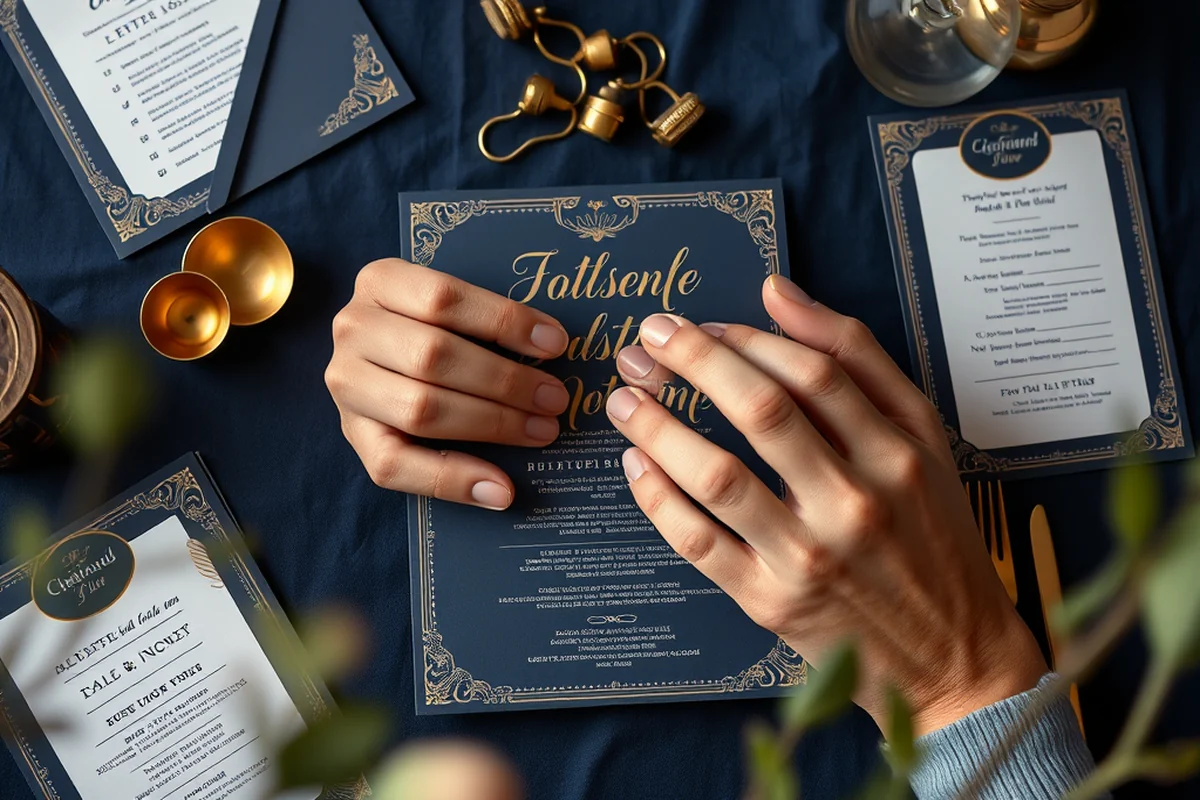
One of the most effective ways to reduce costs is to keep your guest list small. I’ve found that a group of 8-12 people is often the sweet spot for budget events. It allows you to create a more personal atmosphere and keeps your expenses manageable.
When I hosted a party for 12 people, I had to be selective with my guest list. I invited only close friends and family, which made the event feel more intimate and meaningful. Plus, the smaller number of guests meant that food and drink costs were lower, and I had more time to spend with everyone.
If you’re hosting a larger event and can’t keep the guest list small, consider asking for help with the event. For example, I’ve had friends volunteer to bring drinks or help with setup, which lightens the load and keeps costs down.
Related: What is budget host
Making Your Own Food and Drinks
Food and drinks are often one of the most expensive parts of hosting a party. But making your own can save you a lot of money. I’ve baked simple treats like cookies, brownies, and cupcakes, and they were always a hit with my guests. I’ve also made my own drinks using affordable ingredients like lemonade, soda, and fruit.
When I hosted a summer party, I made homemade lemonade with just lemons, sugar, and water. I sold it for $2 per cup, and I made enough to cover my drink costs. For more elaborate drinks, I’ve used basic ingredients to create mocktails that look and taste like the real thing.
If you’re not confident in your cooking skills, consider asking a friend or family member to help out. I’ve had friends bring homemade appetizers or desserts, and it’s been a great way to share the workload and keep costs down.
💰 Budget Party
Perfect for those with a strict budget, using DIY decorations, home venue, and homemade food.
🏠 Small-Space Party
Ideal for apartments or homes with limited space, focusing on compact setup and creative seating.
🌳 Outdoor Party
Great for those who love nature, using a backyard, park, or garden as the venue with minimal setup costs.
🍷 Grown-Up Version
Suitable for adults-only events with a focus on ambiance, curated music, and refined drink options.
🛋️ Low-Effort Party
Designed for minimal planning and maximum relaxation, with pre-made decorations and takeout food.
| The mistake | Why it happens | The fix |
|---|---|---|
| Not setting a budget in advance. | Without a budget, it’s easy to overspend on unnecessary items and end up with a party that feels rushed or incomplete. | Create a detailed budget plan before you start. Break it down into categories and stick to your limits. |
| Trying to do everything yourself. | Overloading yourself with tasks can lead to stress and lower-quality results, which can affect the overall experience. | Ask friends or family to help with decorations, setup, or food. Sharing the workload makes it easier and more enjoyable. |
| Ignoring the venue’s capacity. | Choosing a venue that’s too small for your guest list can lead to overcrowding and discomfort for your guests. | Always check the venue’s capacity and choose one that fits your guest list comfortably. |
| Neglecting to plan for cleanup. | Failing to plan for cleanup can lead to a messy space and extra costs if you need to hire help. | Set aside time for cleanup in your schedule and consider asking guests to help or using reusable items that are easier to clean. |
Related: Committee for a responsible federal budget
Budget Party Planning Budget On A Budget
Related: Is budget planner free
Leveraging Free or Discounted Entertainment
I once hosted a birthday party with a local college music group that performed for free in exchange for a few cases of soda — it was a win-win. Many musicians, dancers, or magicians are happy to work for exposure or small favors. Check local community boards, social media groups, or even college bulletin boards for performers looking for experience. You can also use apps like GigSalad or Thumbtack to find freelancers who offer discounted rates for off-peak times or first-time gigs. This approach saved me over $300 at my last event, and the guests didn’t even notice the difference in quality.
Maximizing Time and Energy with Smart Planning Tools
Use free apps and spreadsheets to streamline planning, track expenses, and coordinate with guests efficiently.
I've found that using free tools like Google Sheets or apps like Planoly for event planning has saved me hours of manual work. By setting up a shared spreadsheet with columns for guest names, RSVP status, and dietary preferences, I’ve been able to stay organized and reduce last-minute stress. This approach also helps me keep track of the budget in real-time, ensuring I don’t overspend on anything.
Another game-changer has been using scheduling apps like Doodle to coordinate with vendors or friends helping out with the party. It’s a quick way to find overlapping availability and avoid misunderstandings. For example, when I needed help with setup, I used Doodle to find three people who were available the same day, which made the process much smoother. These tools don’t just save time — they also help maintain a clear head when juggling multiple tasks.
I’ve also used apps like Trello to create a visual timeline of tasks leading up to the party, such as sending out invitations, ordering supplies, and confirming the venue. Assigning tasks to friends or family members through Trello made the workload more manageable and ensured nothing was forgotten. These digital tools may seem small, but they make a big difference in keeping the event on track without the stress of trying to remember everything.
Common Questions
Can I have a party on a budget if I live in a small apartment?
How can I keep my party costs low without sacrificing quality?
What if I have a large guest list but a small budget?
Are there any online resources you recommend for budget party planning?
References
- Form S-1 - SEC.gov (sec.gov)
- SUCCESSFUL EVENT PLANNING (events.usu.edu)
Cite this guide
Dimeparty (2026). Budget Party Planning Budget On A Budget. https://dimeparty.com/budget-party-planning-budget-on-a-budget/
Feel free to cite or share this guide.