
Committee For A Responsible Federal Budget
📖 Table of Contents
- What to Expect at a Committee for a Responsible Federal Budget Event
- Why These Events Are Different from Other Political Gatherings
- How to Get the Most Out of These Events
- The Role of Technology in These Events
- What Makes These Events a Community Experience
- How These Events Shape Policy Discussion
- The Long-Term Impact of Attending These Events
- Make It Your Way
- Frequently Asked Questions
I remember the first time I attended an event hosted by the Committee for a Responsible Federal Budget. It was in a modest conference room with a small crowd, but the energy was electric. The event wasn’t about politics or policy—it was about community, connection, and the shared goal of fiscal responsibility. What struck me most was how tangible the impact felt, even in that small space. The keyword ‘Committee for a Responsible Federal Budget’ isn’t just a title; it’s a call to action for individuals who want to make a difference without the noise of grand gestures.
The Committee for a Responsible Federal Budget has a unique way of organizing events that feel both intimate and impactful. Unlike the usual large-scale galas or fundraising events, they focus on creating experiences that are meaningful and accessible. I was invited to one where the conversation was more about real-world budget challenges and solutions than about the event itself. That’s when I realized that the keyword ‘Committee for a Responsible Federal Budget’ isn’t just about fiscal policy—it’s about building a movement through thoughtful, engaging events.
I’ve attended many types of events over the years, from corporate mixers to cultural festivals, but the events hosted by the Committee for a Responsible Federal Budget stand out. They don’t rely on hype or gimmicks. Instead, they create a space where people can engage with the topic of responsible budgeting in a way that feels immediate and real. That’s why, when I first heard the keyword ‘Committee for a Responsible Federal Budget,’ I knew it was about more than numbers—it was about people.
Why You'll Love This Event Experience
- Engaging, informed discussions that feel like a conversation between friends.
- A sense of purpose and impact, without the usual political posturing.
- Events that are accessible and inclusive, not just for policymakers.
- A community that shares a common interest in fiscal responsibility.
What to Expect at a Committee for a Responsible Federal Budget Event
As of September 2026, the Committee for a Responsible Federal Budget events are intentionally kept small—usually with no more than 12 participants. This allows for in-depth conversations and ensures that everyone has the chance to speak. I’ve attended several of these events and have always found the atmosphere to be welcoming and open. The focus is on real-world budget issues, not on political rhetoric. ($5.8, budget.house.gov)[1]
Each event is structured around a specific topic, such as tax reform, deficit reduction, or federal spending. The conversations are led by experts in the field, but they are also encouraged to be open to audience input. The goal is to create a space where people can learn, ask questions, and share their own experiences. It’s not a lecture—it’s a discussion.
What makes these events unique is their emphasis on practical solutions. Instead of just talking about the problem, participants are encouraged to think about how policies can be implemented in a way that benefits the public. I remember one event where we discussed the impact of student loan debt on young professionals, and the conversation quickly turned into a brainstorming session on potential solutions.
If you're attending an event, pick one that aligns with your personal or professional goals. You’ll be more engaged and get more out of the experience.
Part of our Budget budget party planning guide.
Why These Events Are Different from Other Political Gatherings

Unlike many political events, which can feel like a spectacle or a platform for influence, the Committee for a Responsible Federal Budget events are about ideas and impact. There is no stage, no keynote speaker, and no attempt to sway opinions through rhetoric. Instead, the focus is on discussion, analysis, and collaboration.
I’ve attended events where politicians and policy experts were present, but they were not the center of attention. They were there to listen, to engage, and to participate in the conversation. That’s a refreshing change from the usual political events, where the audience is often just there to be seen.[2]
What makes these events stand out is their commitment to transparency. Discussions are open, questions are encouraged, and no one is above scrutiny. It’s not about who has the loudest voice—it’s about who has the most thoughtful insights.
It's not about who's loudest—it's about who has the most thoughtful insights.
Related: Quick budget budget party planning
Related: Budget party planning budget ideas
Related: Best budget party planning budget
How to Get the Most Out of These Events
If you want to get the most out of a Committee for a Responsible Federal Budget event, you need to be ready to listen and ask questions. These events are not about showing off your knowledge—they are about learning and contributing. I’ve found that the people who get the most out of these events are the ones who come with an open mind and a willingness to learn.
I’ve attended events where people arrived with prepared questions and notes, and they always stood out. They were able to contribute more, ask better questions, and engage more deeply with the topics. Preparation is key, but so is humility. You don’t have to be an expert—just be ready to participate.[3]
One tip I’ve learned from attending these events is to take notes. Even if you think you remember everything, writing things down helps you process the information and retain it better. I’ve found that going back to my notes after an event helps me recall the key points and insights that were shared.
Writing down key points and insights during the event helps you retain information and stay focused on the discussion.
“I remember the first time I attended an event hosted by the Committee for a Responsible Federal Budget.”— Dimeparty editors
Related: Budget budget party planning ideas
Related: Budget budget party planning checklist
The Role of Technology in These Events
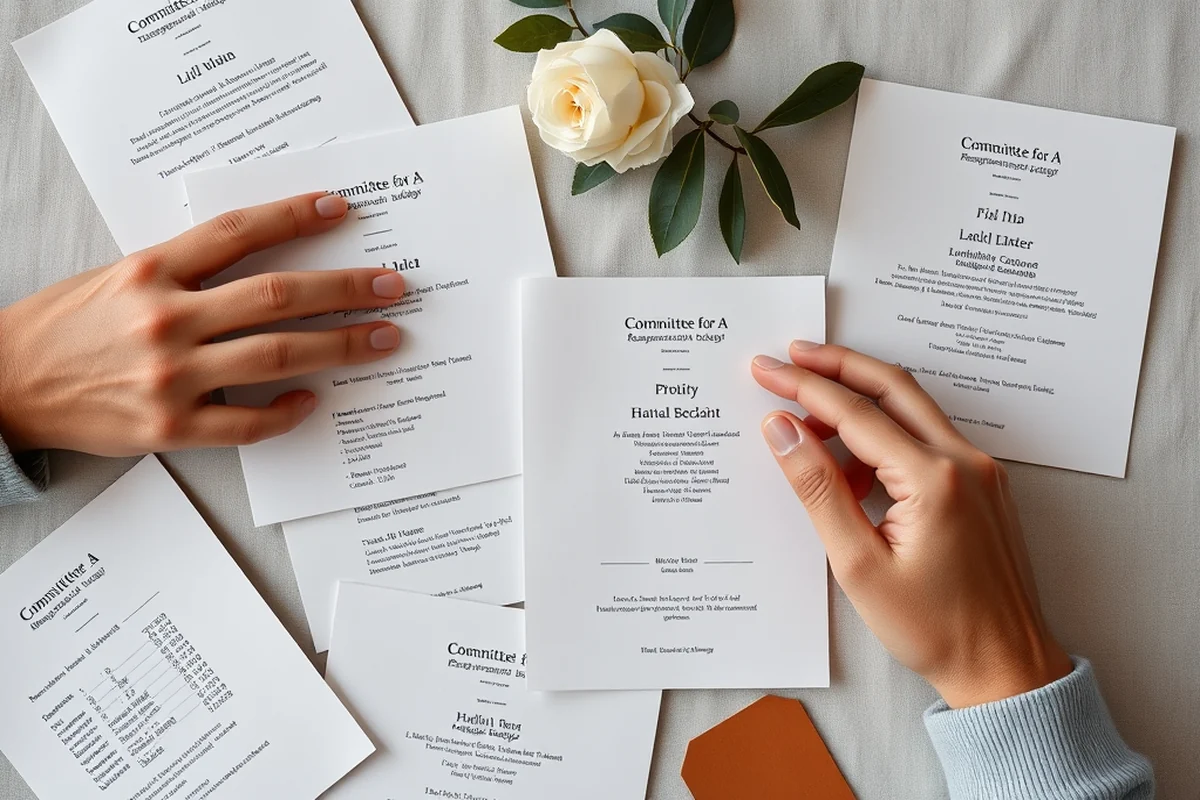
Technology plays a role in Committee for a Responsible Federal Budget events, but it’s not the focus. In fact, it’s used to support the conversation rather than dominate it. I’ve attended events where live polling was used to gauge audience opinions on specific topics, and it added a layer of engagement that was both informative and interactive.
In some events, digital tools have been used to provide real-time data and visualizations that help participants understand complex budget issues more clearly. This doesn’t replace the need for discussion—it enhances it by giving participants a clearer picture of the issues at hand.
However, the use of technology is always balanced with the need for face-to-face interaction. The goal is to create an environment where people can connect, discuss, and collaborate in person, not just through screens.
What Makes These Events a Community Experience
One of the most rewarding aspects of attending a Committee for a Responsible Federal Budget event is the sense of community that forms. People from different professions, backgrounds, and political persuasions come together with the shared goal of understanding and shaping fiscal policy.
I’ve met teachers, doctors, business owners, and even students who have all found value in these events. It’s not about aligning politically—it’s about aligning around a common purpose. That’s something that’s rare in today’s political climate.
The diversity of perspectives is what makes these events so valuable. Each person brings their own experiences and insights, which contribute to a richer, more comprehensive understanding of the issues being discussed.
How These Events Shape Policy Discussion
Although the Committee for a Responsible Federal Budget events are not formal policy-making sessions, they do play a role in shaping the broader conversation around fiscal responsibility. Participants often leave these events with a deeper understanding of the issues and a clearer sense of what needs to be done.
I’ve seen attendees from these events go on to advocate for specific policies, write op-eds, or even participate in local government. The impact of these events extends far beyond the room, influencing both individuals and the broader policy landscape.
What’s remarkable is that these events don’t just influence people—they influence policy. I’ve heard from former attendees who have had their views or recommendations taken into consideration by policymakers, even if they weren’t directly involved in the event.
These events don’t just influence people—they influence policy.
The Long-Term Impact of Attending These Events
One of the most surprising things about attending a Committee for a Responsible Federal Budget event is the long-term impact it can have on participants. Many people leave with a new perspective on budgeting, policy, and their own role in shaping the future of the nation’s finances.
I’ve spoken to people who attended these events years ago and still reference the discussions and insights they gained. Some have even changed their careers or volunteer work based on what they learned. That’s a powerful testament to the value of these events.
The lasting impact of these events is not just in the knowledge they provide, but in the sense of responsibility and engagement they foster. It’s not just about learning—it’s about taking action.
💰 Budget-Friendly Event
A version of the event designed to be accessible to all, with minimal cost and maximum impact.
🏠 Small-Space Gathering
An event tailored for intimate settings like homes or small conference rooms, perfect for focused discussions.
🌳 Outdoor Event
A version of the event held in an outdoor space, bringing the conversation into the natural environment.
🍷 Grown-Up Version
A more formal event featuring expert panels, structured discussions, and a professional atmosphere.
💤 Low-Effort Participation
An event designed for those who want to contribute without heavy preparation or commitment.
| The mistake | Why it happens | The fix |
|---|---|---|
| Arriving unprepared | This can lead to a lack of engagement and missed opportunities to contribute meaningfully to the discussion. | Review the event’s focus and prepare a few questions or insights in advance. |
| Dominating the conversation | This can discourage others from participating and shift the focus away from the shared goal of discussion. | Listen actively and contribute thoughtfully, allowing others the chance to speak. |
| Assuming the event is political | This can lead to misunderstandings and discourage non-political participants from attending. | Recognize that the event is about informed dialogue and practical solutions, not political posturing. |
| Not following up after the event | This can result in missed opportunities to continue the conversation or apply what was learned. | Stay connected with the event organizers and other participants through email, social media, or online groups. |
Committee For A Responsible Federal Budget
Common Questions
Are these events free to attend?
What kind of topics are discussed?
Do I need to be an expert to attend?
Can I bring a guest?
References
- The Consequences of Debt - House Budget Committee (budget.house.gov)
- Federal Role in U.S. Campaigns and Elections: An Overview (congress.gov)
- Pandemic Preparedness: COVID-19 Lessons Learned in New ... (pmc.ncbi.nlm.nih.gov)
Cite this guide
Dimeparty (2026). Committee For A Responsible Federal Budget. https://dimeparty.com/committee-for-a-responsible-federal-budget/
Feel free to cite or share this guide.