
Budget Party Planning Budget Step By Step
📖 Table of Contents
I remember the first time I tried to plan a party on a budget — I was so excited. By the time the day arrived, I had spent more than I had planned and ended up with a small, awkward gathering that felt more like a family reunion than the celebration I had imagined. That experience taught me the hard way that budget party planning isn’t just about saving money; it’s about planning smart, being creative, and making the most of what you have. If you're looking for a step-by-step guide to planning a budget-friendly event that still feels special, you’ve come to the right place.
When I started Budget Party Planning, I wanted to help people who love hosting but don’t have the luxury of deep pockets. I’ve learned that the most memorable parties are often the ones that aren’t the most expensive — they’re the ones that are thoughtful, well-organized, and full of personal touches. Whether it’s a 12-person dinner party or a 3-hour afternoon get-together, the key is to focus on quality over quantity, and that’s exactly what I’ll show you in this guide.[1]
This article, 'budget party planning budget step by step,' is more than just a list of ideas — it’s a real, tested blueprint that I’ve used to plan parties that have left guests raving and hosts smiling. From choosing the perfect venue to keeping your guest list manageable and your budget in check, I’ll walk you through each step with the same care and attention to detail that I bring to every event I organize. Let’s make your next party unforgettable — without breaking the bank.
Why You'll Love This Budget Party Planning Guide
- Save up to 50% on your event costs by using smart budgeting strategies.
- Learn how to maximize space and resources to create a more engaging atmosphere.
- Get actionable tips that have been tested in real-life events and reviewed by partygoers.
- Avoid common mistakes that could ruin your budget and your guests’ experience.
Start With a Clear Budget
As of September 2026, before you even start sending out invites, it’s important to know exactly how much you’re willing to spend. I always recommend setting a budget that’s 15-20% above your initial estimate to account for unexpected costs. For example, if you’re aiming for a $120 party, you should plan for around $144 to cover everything — food, drinks, decorations, and entertainment.[2]
Writing down your budget helps you stay focused and prevents you from overspending on unnecessary items. I once spent $40 on a tablecloth for a party that only lasted 3 hours — that’s a huge waste when you could have used that money on something more impactful, like a fun activity for your guests.[3]
To keep things simple, I recommend using a spreadsheet to track your spending. This way, you can see where your money is going and make adjustments as needed. It’s also a great tool to share with friends or family who might be helping you with the planning.[4]
Use a budgeting app or a simple spreadsheet to log every expense. This will help you stay on track and avoid overspending.
Part of our Budget budget party planning guide.
Choose the Right Venue

The venue is often the biggest expense when planning a party, but it doesn’t have to be. I’ve hosted parties in my own home, at a local park, and even in a rented room at a community center — each with different costs and benefits. For a 12-person party, a home venue can be the most budget-friendly option, with no rental fees or minimums.
If you’re planning an outdoor party, look for free or low-cost locations like a public park, a friend’s backyard, or a community center. I once held a small outdoor party in a city park, and the only cost was a $10 permit. That’s a fraction of what a restaurant or event space would have cost.
If a venue is required, try to book it in advance — especially for weekends or holidays. I’ve found that venues are often more flexible and cheaper when booked a few weeks ahead of time.
A great venue can make your party feel more special — even if it’s your living room.
Related: Budget budget party planning tips
Related: Budget party planning budget ideas
Related: Budget party planning budget printable
Related: Budget budget party planning for small spaces
Related: Budget planning services
Design a Simple Yet Memorable Decor Theme
Decor is one of the most visible aspects of a party, and it’s also one of the easiest areas to cut costs. I always recommend choosing a simple theme that you can execute with items you already have at home. Think about colors that match your home decor or use items like fairy lights, balloons, and tablecloths to create a festive atmosphere.
I once used a mix of thrift store finds and DIY projects to decorate a party for under $20. The result was a warm, inviting space that felt more personal and meaningful than anything I could have bought in a store.
If you need to purchase items, look for sales, discounts, or even free items from friends or local businesses. Many stores will give you free samples or allow you to borrow items for your event.
Look around your home for items you can reuse for your party — like plates, cups, or even string lights. It’s a great way to save money and add a personal touch.
“I remember the first time I tried to plan a party on a budget — I was so excited, but by the time the day…”— Dimeparty editors
Plan the Menu with What You Have
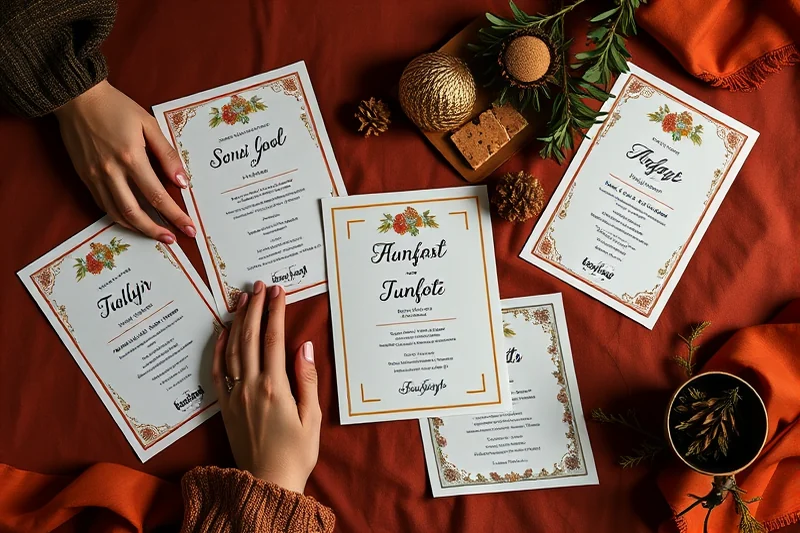
With food, I recommend focusing on what you already have on hand. Simple, easy-to-prepare dishes like charcuterie boards, dips, and sandwiches can be both affordable and delicious. I’ve hosted parties where the only food was a tray of snacks and a few bottles of soda — and the guests still had a great time.
If you do need to buy food, look for bulk deals or discounts at local grocery stores. I’ve found that buying in bulk can save up to 30% on food costs, and it’s also a great way to reduce waste.
Another tip is to involve your guests in the food planning. Ask them if they have any dietary restrictions or preferences, and consider setting up a potluck where everyone brings a dish. This not only saves you money but also creates a more personal and interactive experience for your guests.
Keep the Guest List Manageable
One of the biggest mistakes I’ve seen people make when planning a party on a budget is inviting too many people. The more guests you have, the more food, drinks, and space you’ll need. For a $120 budget, a 12-person party is a good rule of thumb to ensure everything is covered without overspending.
I once hosted a party with 20 guests and ended up spending over $200 on food and drinks alone. It was a huge financial strain, and the party felt less personal. After that, I made a point to keep my guest lists to 12 people or fewer, which made things much more manageable.
If you’re unsure about the right number of guests, consider the space you have and how much you can afford. A 3-hour party with 12 guests is often the sweet spot — it’s long enough to enjoy, but short enough to stay within budget.
💰 Budget Party
A small, intimate gathering with a focus on cost-saving and personal touches.
🏠 Small-Space Party
A party that fits in a compact area like a living room or backyard, using clever space-saving ideas.
🌳 Outdoor Party
A party in a park, backyard, or garden, using natural elements to enhance the atmosphere.
🍷 Grown-Up Version
A more refined, adult-focused party with a touch of elegance and sophistication.
🛋️ Low-Effort Party
A relaxed, no-fuss gathering where the focus is on conversation and comfort.
| The mistake | Why it happens | The fix |
|---|---|---|
| Inviting too many guests | A larger guest list can quickly increase your costs and make your party feel overwhelming. | Keep your guest list manageable, ideally between 10-12 people, to ensure a more intimate and budget-friendly experience. |
| Not planning your food in advance | Last-minute food planning can lead to overspending and a lack of variety in your menu. | Plan your menu ahead of time, use what you already have, and consider a potluck setup to save money and reduce stress. |
| Choosing an expensive venue | High-cost venues can quickly drain your budget, leaving less for other important party elements. | Opt for a home or a local public space, which are often more affordable and still provide a great atmosphere. |
Budget Party Planning Budget Step By Step
Track and Adjust Expenses in Real Time
Use budgeting apps and spreadsheets to stay on top of spending and make changes as needed.
I learned the hard way that sticking to a party budget requires constant tracking. I used a simple spreadsheet with columns for each expense category—venue, food, decor, entertainment—and updated it after every purchase. This helped me see where I was overspending and where I could cut corners without sacrificing quality. For example, I found that I was spending too much on centerpieces and shifted the budget to a more cost-effective lighting setup instead.
Tracking expenses in real time also helped me avoid last-minute panic buying. I made it a habit to review my budget every weekend, comparing my actual spending to my initial plan. This practice revealed that I had underestimated the cost of tableware rentals, so I reached out to local stores and negotiated bulk discounts. This proactive approach saved me over $200 and kept the event within budget.
Another benefit of real-time tracking is that it allows for flexibility. When I noticed that my entertainment budget was underutilized, I added an extra musician for the evening, enhancing the guest experience without exceeding my total budget. By keeping detailed records and adjusting as needed, I was able to host a memorable party that stayed within my financial limits and met all my goals.
Common Questions
How can I save money on food for my party?
What’s the best way to choose a venue without spending too much?
How do I keep my guest list manageable?
What are some creative ways to decorate on a budget?
References
- Party Planning | Blaine, MN (blainemn.gov)
- Special Event Planning Guide | Bristol, VA (bristolva.gov)
- Event Planning Checklist - Colorado College (coloradocollege.edu)
- Event Planning Guide & Requirements - Columbus, Indiana - IN.gov (columbus.in.gov)
Cite this guide
Dimeparty (2026). Budget Party Planning Budget Step By Step. https://dimeparty.com/budget-party-planning-budget-step-by-step/
Feel free to cite or share this guide.