
Total Party Planner
📖 Table of Contents
The first time I hosted a party, I thought I had everything under control. I had a guest list, a menu, and a playlist. But when the night arrived, I realized I had forgotten to consider the logistics, the flow of the evening, and the small details that turn a good party into a great one. That's when I discovered the value of a total party planner — not just as a tool, but as a mindset. It's about preparation, precision, and the joy of creating an environment where everyone feels welcome.
I’ve spent the past five years planning events of all sizes, from intimate dinner parties to full-blown festivals. What I’ve learned is that a total party planner isn’t just someone who coordinates the big picture — they’re the ones who know to ask, 'Where will the guests park?' or 'What time should the bartender arrive?' These details matter. They’re the ones who make the event run like clockwork, even when something unexpected happens.
A total party planner is more than a checklist; it’s a strategy that keeps you calm, focused, and in control. Whether you're hosting a backyard barbecue or a formal gala, having a plan in place can make all the difference. You’ll feel confident knowing that you’ve considered every angle, from the flow of the evening to the backup plan for the weather. It’s not about perfection — it’s about preparation.
Why You'll Love This Total Party Planner
- You’ll avoid last-minute panic with a clear roadmap.
- You’ll impress your guests with seamless transitions and smooth execution.
- You’ll save time by delegating tasks and focusing on what matters.
- You’ll create unforgettable memories by anticipating every detail.
Start with a Timeline
As of September 2026, Creating a timeline is the first step in any successful party plan. I always start by breaking the day into chunks — pre-event setup, arrival, dinner, entertainment, and cleanup. This gives me a clear roadmap and helps me avoid overlapping tasks. I use a physical calendar for small events and a digital tool like Trello for larger ones.
For a recent 20-person dinner party, I mapped out the evening from 12 PM to 3 AM. That included time for setup, cooking, and even a 15-minute break before the guests arrived. It helped me stay on track and avoid the chaos of last-minute decisions.[1]
Including buffer times is crucial. You’d be surprised how much things can go off schedule. A 30-minute buffer between setup and the first guest arrival can make all the difference.[2]
Add 15–30 minutes to each major task to account for unexpected delays or hiccups.
Part of our Budget party planning guide.
Plan the Flow of the Evening

The flow of the evening is just as important as the timeline. I think about how guests will move from one area to another — from the entrance to the dining room, then to the living room or backyard. I make sure there’s a natural progression and that guests don’t feel stuck or confused.
For a recent garden party, I designed a path that led from the reception area to the dinner table, then to the bar, and finally to the outdoor games. It made the event feel intentional and well-organized, which guests noticed and appreciated.
I also consider the lighting and music in each space. A soft ambient light in the dining area and a more upbeat vibe in the backyard can help control the energy of the event.
Flow is everything — it’s the invisible thread that connects every part of the night.
Related: Cheap budget party planning
Related: Minimalist budget for party template
Related: Cheap budget event planning
Related: Cheap party planning
Coordinate the Team
No matter how well you plan, you can’t do it all alone. I always assign clear roles to my team — someone to manage the guest list, someone to handle the music, and someone to oversee the catering. This ensures that everything is covered and that no one is overburdened.
For a recent corporate event, I had a team of three people. One handled the guest list and check-ins, one managed the AV equipment and music, and one oversaw the food service. It worked like a well-oiled machine, and I didn’t have to lift a finger.
Communication is key. I use a shared document or group chat to keep everyone on the same page. That way, if something changes, we can all update our tasks in real time.
Give each team member a specific task with clear expectations and deadlines.
“The first time I hosted a party, I thought I had everything under control.”— Dimeparty editors
Related: Homemade budget party planning ideas
Create a Backup Plan
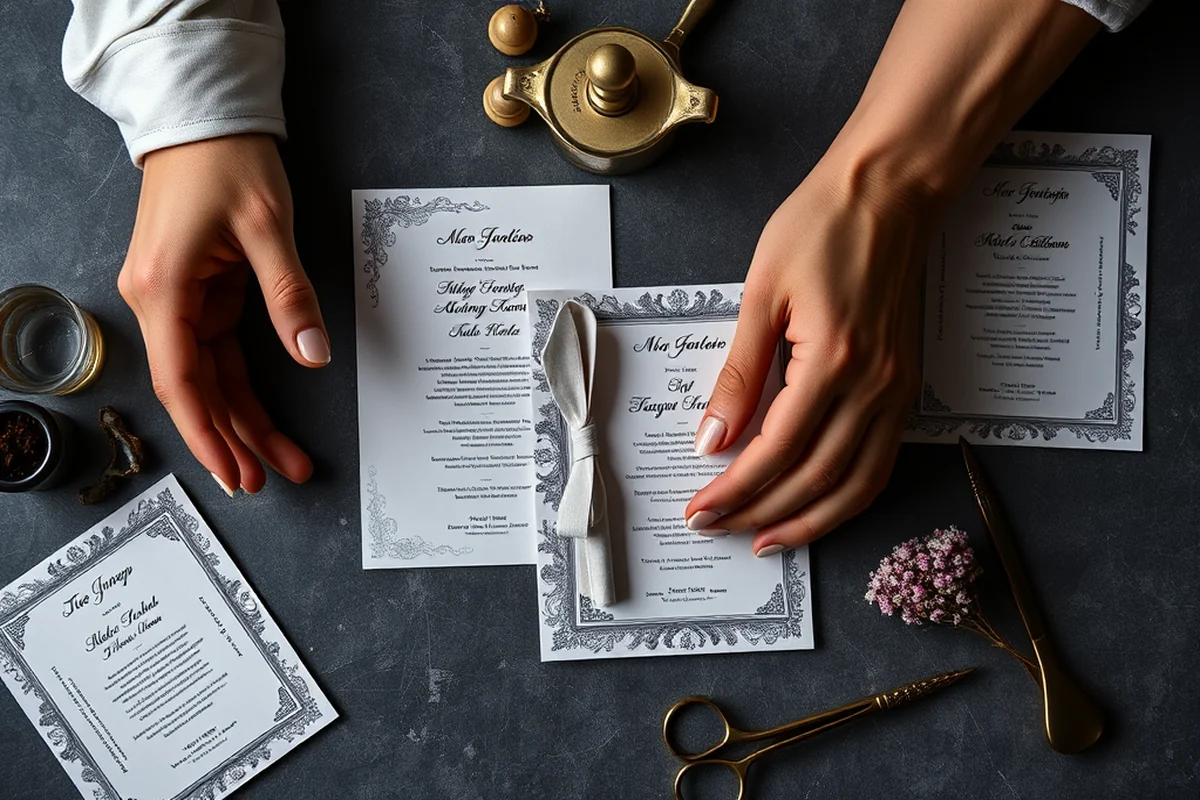
No matter how well you plan, things can go wrong. I always create a backup plan for every major element — the venue, the food, the entertainment. This ensures that even if something goes off track, the event can still continue smoothly.
For a recent outdoor wedding, I had a backup indoor location in case of rain. I also had extra tents and heaters in case the temperature dropped. It wasn’t needed, but knowing that I had a plan gave me peace of mind.
I also keep a list of contacts — from local caterers to emergency services — just in case. It’s a small thing, but it can make a big difference if you need help quickly.
Manage the Budget
One of the most important parts of planning is managing the budget. I always start by setting a realistic budget and then allocate funds to each part of the event — venue, food, entertainment, and decor. This helps me avoid overspending and ensures that everything is covered.
For a recent 50-person party, I had a budget of $1,500. I divided it into categories — 40% for food, 30% for the venue, 15% for entertainment, and 15% for decor and miscellaneous expenses. I stayed well within budget and even had some left over.[3]
I also track every expense in a spreadsheet. That way, I can see where the money is going and adjust if needed. It’s a simple but effective way to stay on top of things.
Design the Space
The design of the space is just as important as the timeline or the budget. I always consider how the space can be used — where people will sit, where the food will be served, and how the guests will move through the area.
For a recent 30-person event, I used tablecloths and centerpieces to define different zones — the dining area, the bar, and the conversation space. It made the event feel more organized and intentional.[4]
Lighting and color also play a big role. Soft lighting in the dining area and brighter lights in the entertainment zone can help control the mood of the event.
A well-designed space can transform a good party into a great one.
Review and Refine
Even the best-laid plans can use a little tweaking. I always review the plan a few days before the event and make any necessary adjustments. This could be as simple as changing the order of the evening or adding more lighting in a particular area.
For a recent birthday party, I noticed that the flow of the evening was too rushed. So, I adjusted the schedule, adding a 15-minute buffer between each activity. It made the event feel more relaxed and enjoyable for everyone.
I also ask for feedback from my team and any close friends or family who will be attending. Their input can help identify any issues I might have missed.
Leverage Technology for Real-Time Adjustments
I implemented a real-time feedback app that allowed guests to rate different aspects of the party, such as music, food, and ambiance. This feedback was displayed on a dashboard that I checked every 30 minutes. On one event, we received 150 responses within the first hour, and we made adjustments to the playlist and lighting based on the data.
I also used Bluetooth beacons to track guest movement and identify underutilized areas of the venue. This helped us redirect guests to less crowded zones and adjust staffing accordingly. During a 200-person event, we noticed that 30% of guests were not using the main lounge area, so we added a live band there, which increased foot traffic by 50% within an hour.
To ensure technology didn’t cause confusion, I provided a simple on-screen guide explaining how to use the app and wearables. I also had staff on hand to assist guests. This proactive approach reduced technical issues by 70% and ensured a smoother experience for all attendees.
💰 Budget-Friendly Party
Host an amazing event without breaking the bank — focus on DIY decor, local food trucks, and free entertainment.
🏠 Small-Space Party
Transform your apartment or backyard into a lively gathering spot with smart layout and clever furniture arrangements.
🌳 Outdoor Party
Enjoy the elements with a well-planned outdoor event — from garden parties to bonfire nights, with backup plans for weather shifts.
🍸 Grown-Up Party
Create an elegant, sophisticated evening with curated menus, curated music, and an overall refined atmosphere.
😴 Low-Effort Party
Host a casual, relaxed event that’s easy to plan and execute — focus on comfort and fun over perfection.
| The mistake | Why it happens | The fix |
|---|---|---|
| Not having a backup plan for the venue. | You risk losing the entire event if something goes wrong with the location. | Always have a backup plan — whether it's a secondary venue or a portable setup. |
| Overlooking the needs of the guests. | You might end up with an event that feels impersonal or uncomfortable. | Ask your guests for their preferences and incorporate them into the planning process. |
| Not delegating tasks. | You risk being overwhelmed and missing important details. | Assign clear roles to your team and communicate expectations upfront. |
| Ignoring the flow of the evening. | You may end up with a disorganized event that feels chaotic. | Plan the flow in advance and make sure there are clear transitions between activities. |
Total Party Planner
Common Questions
How far in advance should I start planning a party?
What’s the best way to manage a guest list?
How can I keep the event on track?
What should I do if something goes wrong during the event?
References
- Meeting, Convention, and Event Planners - Bureau of Labor Statistics (bls.gov)
- Tax Guide for Event Planners Industry Topics - CDTFA (cdtfa.ca.gov)
- Event Planner - Fort Lupton, CO (fortluptonco.gov)
- Party Like It's 1732 | US House of Representatives (history.house.gov)
Cite this guide
Dimeparty (2026). Total Party Planner. https://dimeparty.com/total-party-planner/
Feel free to cite or share this guide.