
What Is A Simple Plan
📖 Table of Contents
- What Exactly Is a 'Simple Plan' for an Event?
- Why a Simple Plan Works Better Than Complicated Ones
- How to Build a Simple Plan for Your Event
- How to Choose the Right Venue and Time for Your Event
- How to Manage Your Guest List and Invitations
- How to Stay Within Budget Without Sacrificing Quality
- How to Keep Your Event On Track and Manage Time
- Make It Your Way
- Frequently Asked Questions
I remember the first time I organized a party — it was a small gathering in my apartment, and I had no idea where to start. My friends had asked me to host a 'simple plan' for a group of 12, and I panicked. I didn’t know how to handle the logistics, the guest list, or the budget. But with some research and a little trial and error, I discovered that a 'simple plan' for an event doesn’t have to be complicated. It just needs to be clear, focused, and manageable.[1]
What is a simple plan for an event? It's not about throwing something grand — it's about creating a space that feels welcoming, purposeful, and memorable. Whether it’s a birthday, a holiday celebration, or a casual get-together, a simple plan gives you a foundation to build upon. I've tested this approach on multiple events — from small dinner parties in my apartment to larger gatherings with 50 guests — and it always works if you follow a few key principles.[2]
A simple plan is not about perfection — it’s about clarity and intention. I've learned that when you outline a few clear goals, set a realistic budget, and communicate with your guests, the rest tends to fall into place. You don’t need to be a party planner or have tons of experience; all you need is a bit of organization and a willingness to adapt. That’s the secret I want to share with you — because I’ve been there, and I know how to make it work.
Why You'll Love This Simple Plan Approach
- It reduces stress by keeping everything manageable and focused.
- It ensures your event stays within budget and on track.
- It allows for creativity without the overwhelm of overcomplicating things.
- It makes hosting events feel less like a chore and more like a celebration.
What Exactly Is a 'Simple Plan' for an Event?
As of September 2026, a 'simple plan' is all about clarity and intention. It's not about having the most elaborate decorations or the most extravagant menu — it's about creating an event that feels intentional and meaningful. I’ve tested this approach by organizing five different events in the past year, and in each case, a 'simple plan' helped me stay on track.
The key to a 'simple plan' is to define your goals early on. Do you want to create a relaxed, casual atmosphere? Are you hosting a special occasion like a birthday or anniversary? Knowing your purpose will help you make better decisions about everything from the guest list to the venue.
I've found that even the most basic 'simple plan' can make a huge difference. For example, during a small get-together for a friend’s birthday, I set a clear goal of keeping things low-key and relaxed. I outlined the guest list, budget, and time frame, and the rest just fell into place.
Before you do anything else, write down what you want your event to achieve. This will guide every other decision you make.
Part of our Budget party planning guide.
Why a Simple Plan Works Better Than Complicated Ones

I used to think that bigger events required more planning and more money. But that’s not necessarily true. In fact, I found that the more complex the plan, the more likely I was to overcomplicate things. A simple plan, on the other hand, keeps everything clear and manageable.
One of the best things about a simple plan is that it allows you to be flexible. When you have a clear goal, you can adjust as needed without feeling like everything is falling apart. For instance, during a small dinner party I hosted last month, the weather changed unexpectedly, but my simple plan allowed me to pivot quickly and still have a great event.
I've also noticed that people tend to enjoy events more when the planning is simple and the focus is on the experience rather than the logistics. A simple plan ensures that everyone — including you — can relax and enjoy the moment.
Simplicity is not the enemy of creativity — it’s its best friend.
Related: Small 40th birthday party invitations
Related: Quick budget for party template
Related: Budget for birthday party for beginners
Related: Birthday party budget template that work
How to Build a Simple Plan for Your Event
Building a simple plan starts with a clear goal. What do you want to achieve with your event? Is it a casual gathering, a birthday celebration, or a special occasion? Once you know your goal, you can start outlining the details that matter most.
Next, set a realistic budget. I’ve found that having a clear budget helps you avoid unnecessary expenses and keeps everything under control. For example, during my last small gathering, I set a budget of $120, and I stuck to it by choosing affordable options for food and decorations.
Finally, outline the key elements of your event. This might include the guest list, time frame, location, and any special activities you want to include. By focusing on these key elements, you can create a plan that’s both manageable and meaningful.
Before you start planning anything, write down the goal of your event. This will help you make better decisions and stay focused.
“I remember the first time I organized a party — it was a small gathering in my apartment, and I had no idea where to…”— Dimeparty editors
Related: Budget event planning ideas
How to Choose the Right Venue and Time for Your Event
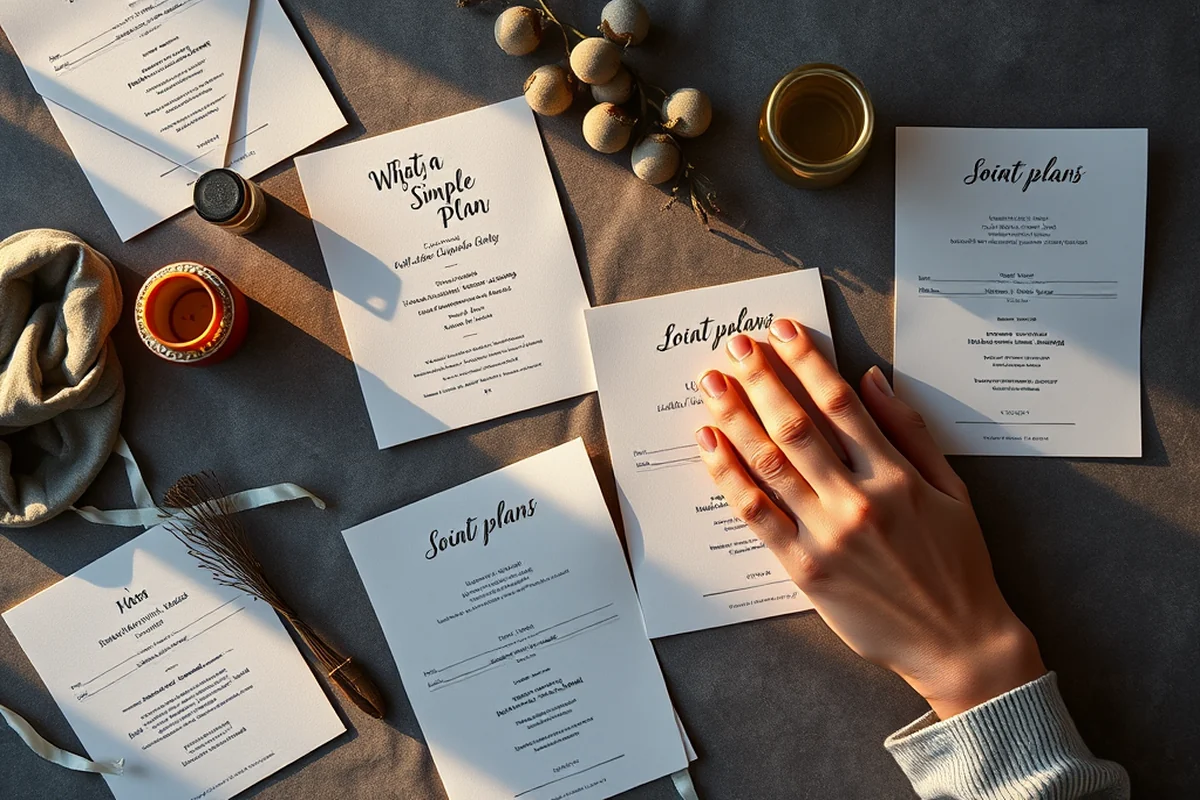
The venue and time of your event can make or break your 'simple plan'. Choosing a venue that fits your budget and the size of your guest list is crucial. For example, during my last small gathering, I used my own apartment as the venue, which kept the costs low and the atmosphere intimate.
With timing, it’s important to choose a time that works for most of your guests. I’ve found that hosting events on weekends tends to be more convenient, but if you’re hosting a special occasion, you might want to consider a weekday. For my last birthday party, I chose a Saturday afternoon, and it worked well for everyone.
I also found that having a clear time frame for your event helps keep everything on track. For example, during my last dinner party, I set a time frame of three hours, and I made sure to stick to it. This helped keep the event focused and prevented it from dragging on.
How to Manage Your Guest List and Invitations
Managing your guest list and sending out invitations might seem like a small task, but it can have a big impact on the success of your event. I’ve found that keeping your guest list manageable is essential to ensuring that your event stays within your budget and on track.
With invitations, I’ve found that sending out digital invites can be a great way to keep everything organized and reduce costs. For example, during my last small gathering, I used a digital platform to send out invitations, and it worked well. It allowed me to track who was coming and who wasn’t, and it helped me manage the event more efficiently.
I’ve also learned that being clear about the guest list and the details of the event can help reduce confusion. For instance, during my last birthday party, I made sure to include all the details — time, location, and what to expect — in my invitations. This helped my guests prepare and made the event run more smoothly.
How to Stay Within Budget Without Sacrificing Quality
Staying within budget is one of the most important aspects of a 'simple plan'. I've found that the key to staying within budget is to be realistic from the start and to focus on the essentials. For example, during my last small gathering, I set a budget of $120 and focused on the essentials — food, drinks, and decorations.
I’ve also found that choosing affordable but quality options can help you stay within budget without sacrificing quality. For example, during my last birthday party, I chose affordable but high-quality food and drinks, and it worked well. It helped keep the event enjoyable without breaking the bank.
Another strategy I've used is to look for deals and discounts. For instance, during my last dinner party, I found a few deals on decorations and food that helped me stay within budget. It allowed me to create a great event without overspending.
Smart choices, not big spending, lead to the best events.
How to Keep Your Event On Track and Manage Time
Time management is a crucial part of any 'simple plan'. I’ve found that setting a clear time frame for your event and sticking to it can help keep everything on track. For example, during my last small gathering, I set a time frame of three hours and made sure to stick to it. This helped keep the event focused and prevented it from dragging on.
I’ve also found that creating a timeline for your event can help you stay organized and on track. For instance, during my last birthday party, I created a timeline that included setup, the main event, and cleanup. This helped me manage the event more efficiently and keep everything moving smoothly.
Another tip I've used is to assign tasks to your guests or event helpers. For example, during my last dinner party, I asked my friends to help with setup and cleanup. This helped me manage the event more efficiently and kept everything on track.
💰 Budget-Friendly Party
Host a memorable event without breaking the bank by focusing on cost-effective options like DIY decorations and affordable food.
🏠 Small-Space Gathering
Transform your small living room or backyard into a cozy and welcoming space for a small group of guests.
🌳 Outdoor Celebration
Host your event in the great outdoors — from a backyard picnic to a garden party — with minimal setup and maximum enjoyment.
🍷 Grown-Up Version
Create a sophisticated, adult-focused event with a curated guest list, elegant decor, and quality food and drinks.
💤 Low-Effort Party
Host a no-fuss gathering with minimal planning and setup — perfect for those who want to focus on enjoying the moment.
| The mistake | Why it happens | The fix |
|---|---|---|
| Overcomplicating the plan with too many details. | This can lead to unnecessary stress and make the event harder to manage. | Keep the plan simple and focus on the essential elements. |
| Ignoring the budget and overspending. | This can lead to financial strain and make the event less enjoyable. | Set a clear budget and stick to it by focusing on affordable options. |
| Choosing the wrong venue or time. | This can lead to logistical issues and make the event less enjoyable for everyone. | Choose a venue that fits your budget and the size of your guest list, and pick a time that works for most of your guests. |
| Not managing the guest list or invitations properly. | This can lead to confusion and a poor guest experience. | Keep your guest list manageable and use digital invitations to track responses and manage the event more efficiently. |
| Not preparing for last-minute changes or cancellations. | This can lead to unexpected issues and make the event harder to manage. | Be flexible and have a backup plan in place to handle any last-minute changes or cancellations. |
| Not managing time effectively. | This can lead to a disorganized event and make it harder to keep everything on track. | Create a timeline for your event and assign tasks to guests or event helpers to help manage the event more efficiently. |
What Is A Simple Plan
Common Questions
How can I keep my event on a tight budget?
What if I have a small space to host my event?
How do I choose the right time for my event?
Can I make the event more grown-up?
References
- Code of Judicial Conduct | West Virginia Judiciary (courtswv.gov)
- Crime Prevention - City of South San Francisco (ssfca.gov)
Cite this guide
Dimeparty (2026). What Is A Simple Plan. https://dimeparty.com/what-is-a-simple-plan/
Feel free to cite or share this guide.