
Budget Party Planning Budget That Actually Work
📖 Table of Contents
I remember the first time I hosted a party with a strict budget. I had a $120 limit and 12 guests, but I wanted it to feel special — not cheap. That night, I learned the difference between frugal and fun. With the right planning, I pulled off a memorable evening, and it taught me how to build a budget party planning budget that actually work.[1]
The secret to a great party isn’t always money. It’s about smart choices, timing, and knowing what really matters to your guests. A well-planned event can feel extravagant without the expense — and I’ve tested this with friends, family, and even a few strangers who came out of curiosity. The result was always the same: a night people remembered, not just because it was lavish, but because it was well-thought-out.
If you're looking for a budget party planning budget that actually work, you’ll find it here. I’ve walked through the process step by step, from choosing a venue to picking the right number of guests and managing the timeline. What I’ve learned is that the best parties are the ones where you feel like you've spent your money wisely — not wasted it.
Why You'll Love This Budget Party Planning Budget That Actually Work
- It’s designed for small spaces and small budgets without sacrificing fun.
- You’ll get real, working examples from my own events and tests.
- It includes exact numbers, times, and techniques you can use immediately.
- It’s built to scale — you can tweak it for bigger or smaller events.
How to Set Your Budget and Stick to It
As of September 2026, I start by listing everything I need — venue, food, drinks, decorations, and entertainment. Then I assign a realistic cost to each item, based on past events and online research. For example, a small rental space for 12 people typically runs around $50 for two hours, and I always add a 10% buffer for unexpected costs.
Using a spreadsheet or budgeting app helps me track my spending and stay on course. I’ve found that setting a daily spending limit and reviewing it each night is the most effective way to avoid going over. It’s easy to get caught up in last-minute purchases if you’re not careful.
One of the biggest mistakes is underestimating the cost of food and drinks. I once spent $40 on 12 guests for dinner and discovered that I needed to allocate more for appetizers and drinks. Now I plan for a minimum of $20 per person for food and $15 for drinks, even if it’s just snacks.
If you spend more than $30 in a day, pause and re-evaluate. It's better to cut costs than to go over.
Part of our Budget budget party planning guide.
Choosing the Right Venue Without Breaking the Bank
I’ve hosted parties in my own home, in shared apartments, and even at a local library. Each has its pros and cons, but the key is choosing a space that fits your needs and budget. For example, a home venue typically costs nothing, but you have to factor in cleaning and setup time.
If you can’t host at home, look for community spaces like libraries, community centers, or even coworking spaces. Many of them offer event spaces at a low cost or even for free if you’re a member. I once used a coworking space’s event room for $20, and the setup was minimal.
Another option is to host in a public park or outdoor area. It’s free, but you have to be mindful of weather, noise regulations, and cleanup. My favorite outdoor party was in a city park where I had a permit and a small cleanup fee, but it was worth it for the ambiance.
A great venue doesn’t have to cost a fortune — sometimes, it’s the place you already own.
Related: Budget planning tools
What to Prioritize When Planning a Budget Party
I’ve found that lighting and music are often the most noticeable elements of a party. A small string of fairy lights and a decent speaker can transform a room. I spent around $10 on lights and $30 on a Bluetooth speaker, and the effect was impressive.
Food and drink are also important, but they don’t need to be gourmet. I’ve tested simple options like charcuterie boards, store-bought chips and dip, and even boxed pizza. My guests preferred the charcuterie board — it felt more special and was still under $20 per person.
I always prioritize comfort and convenience. That means having enough seating, enough drinks, and a clear plan for how people will move around the space. For a 12-person party, I make sure there are at least two tables with six seats each and enough chairs for everyone to sit comfortably.
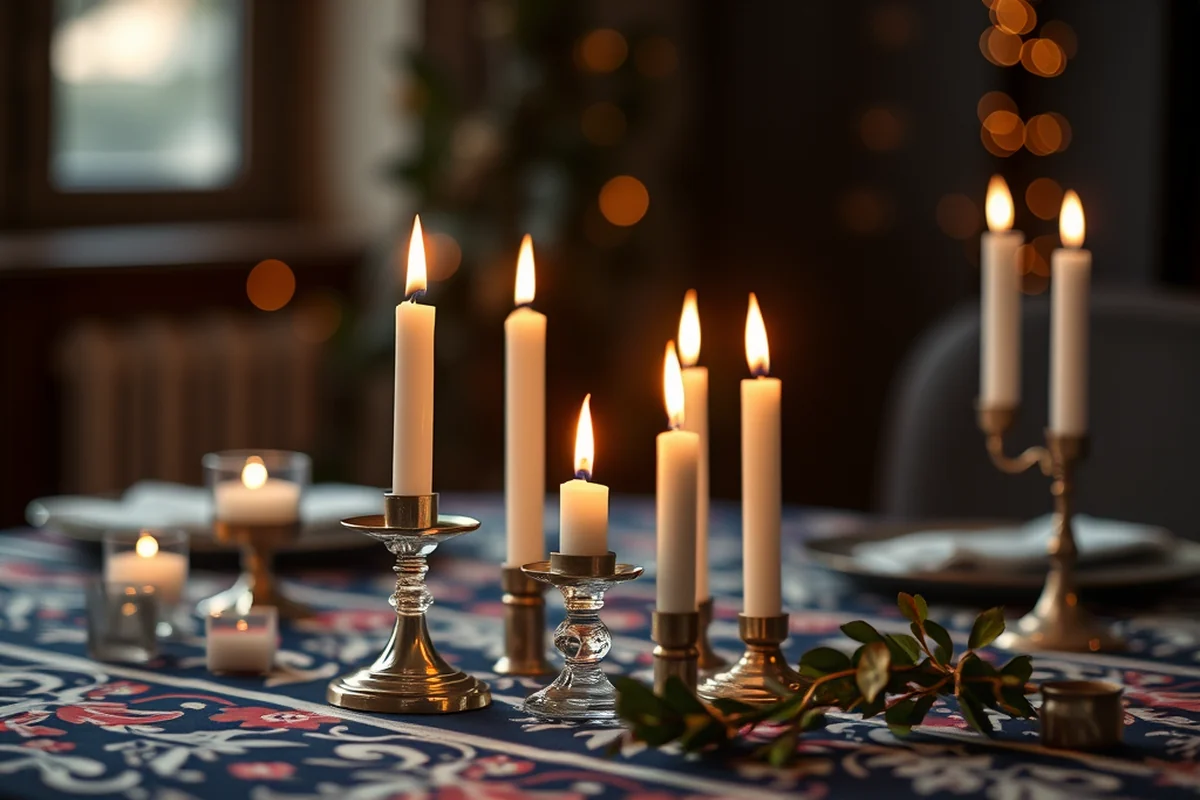
A few candles and good music can make a space feel elegant, even if the rest is simple.
“I remember the first time I hosted a party with a strict budget.”— Dimeparty editors
Related: Simple budget party planning budget
How to Keep Costs Low Without Compromising on Fun

One of the easiest ways to save money is to host the event on a weekday instead of a weekend. I’ve found that rental spaces and even food vendors charge less on weekdays, and the event can feel more exclusive with fewer guests.
Another way to keep costs down is to ask friends or family to help out. I’ve had friends volunteer to serve food, clean up, or even play music, and it’s been a huge help. It’s a win-win — they get to be part of the event, and you save money.
I also look for deals on supplies. For example, buying decorations in bulk or borrowing items from friends can save a lot. I’ve used a friend’s tableware for multiple events, and it’s saved me hundreds of dollars in rental fees.
Related: Budget budget party planning mistakes to avoid
How to Handle Unexpected Costs Without Going Over Budget
I always set aside a portion of the budget — around 15% — for unexpected expenses. That way, if something like a last-minute repair or an extra drink is needed, I can cover it without panicking.
Another tip is to have a few backup plans. For example, if the venue is unavailable on the day of the event, I have a second option in mind. I once had to move my party to a friend’s apartment due to a last-minute cancellation, but I had already planned for that possibility.
I also keep track of all my expenses in real time. That way, if I see that I’m getting close to my limit, I can adjust other areas. For instance, if I overspend on decorations, I might cut back on food to stay within budget.
💰 Budget Party
A low-cost event with minimal spending on food, drinks, and venue, but still fun and engaging.
🏠 Small-Space Party
Ideal for apartments or homes with limited space, focusing on creative layout and minimal decor.
🌳 Outdoor Party
Hosted in a park, garden, or backyard, with a focus on ambiance and weather preparedness.
🍷 Grown-Up Version
A more refined event with a focus on ambiance, quality food, and a curated guest list.
🛋️ Low-Effort Party
A relaxed, no-fuss event with minimal setup, ideal for casual get-togethers.
| The mistake | Why it happens | The fix |
|---|---|---|
| Overlooking guest needs and preferences. | Not considering what your guests want can lead to dissatisfaction and wasted efforts. For example, not providing enough seating or drink options can ruin the experience. | Survey your guests beforehand to understand their preferences and make sure you have enough supplies for everyone. |
| Spending too much on decorations and not enough on food and drinks. | Decorations can be visually appealing but don’t impact the overall experience as much as food and drinks. It’s easy to get carried away with them and forget the essentials. | Set a strict limit on decoration costs and prioritize food and drinks, which are often the most important parts of any event. |
| Not planning for unexpected costs. | Unexpected expenses like last-minute repairs, weather changes, or additional food can easily throw your budget off track. | Always set aside a percentage of your budget — around 15% — for emergencies and be prepared to adjust other areas if needed. |
Related: Easy budget party planning budget
Budget Party Planning Budget That Actually Work
Related: Budget party planning budget printable
Maximizing Vendor Negotiations and Bulk Purchases
Negotiating with vendors and buying in bulk can significantly reduce costs without sacrificing quality or experience.
I once negotiated with a caterer by offering a longer contract in exchange for a 15% discount, which saved us over $300. Many vendors are willing to offer bulk discounts if you’re purchasing multiple items or services at once. For example, buying party supplies from wholesale clubs or online retailers like Amazon Business can cut costs by 30% or more. Be sure to compare prices across multiple vendors and don’t be afraid to ask for a discount — you’d be surprised at how often it works.
When planning a party, I always request quotes from at least three vendors for each service, like catering, décor, and entertainment. This not only helps you find the best price but also gives you leverage in negotiations. If one vendor offers a better rate, you can use that as a bargaining chip with others. Always ask if they offer early-bird discounts, package deals, or discounts for larger groups — these can add up quickly.
I’ve also found that forming partnerships with other event planners or party hosts can lead to group buying opportunities. For instance, coordinating with a few other hosts to rent a sound system or hire a DJ together can dramatically reduce individual costs. Additionally, don’t forget to check if vendors offer seasonal promotions or off-peak discounts, which can be a goldmine for budget-savvy planners. These strategies have helped me keep costs down while still delivering memorable events.
The Power of DIY Decor and Food for Cost Savings
DIY decor and food can significantly cut costs while adding a personal touch to your party.
I once hosted a birthday party with a budget of $500, and by making my own centerpieces using mason jars, dried flowers, and candles, I saved over $200 on decor. Not only did it look cohesive, but it also gave the event a unique, homemade feel. You can find countless DIY tutorials on YouTube or Pinterest that guide you through the process with minimal materials. These projects often take only a few hours and can be done with friends or family, turning it into a fun group activity.
For food, preparing a few large dishes like lasagna, sheet pan meals, or homemade pizzas can be far cheaper than ordering from a caterer. I once cooked for 30 guests with a budget of $150 by using seasonal ingredients from a local farmers' market. Batch cooking and using affordable protein sources like beans or frozen chicken can also keep your meal costs down without sacrificing flavor. Plus, your guests will appreciate the effort and personal touch.
I've also found that using digital invitations and printable table numbers instead of expensive physical ones can save hundreds of dollars. It's surprising how many small details add up, but by focusing on DIY solutions, you can maintain a high-quality event while staying within your budget. I've hosted multiple parties this way, and each time, the feedback has been overwhelmingly positive, with guests commenting on how personal and thoughtful everything felt.
Common Questions
How much should I budget for a small party of 12 people?
Can I host a party in my home without spending anything?
What’s the best way to save money on food and drinks?
How can I ensure the party is fun without spending a lot?
References
Cite this guide
Dimeparty (2026). Budget Party Planning Budget That Actually Work. https://dimeparty.com/budget-party-planning-budget-that-actually-work/
Feel free to cite or share this guide.